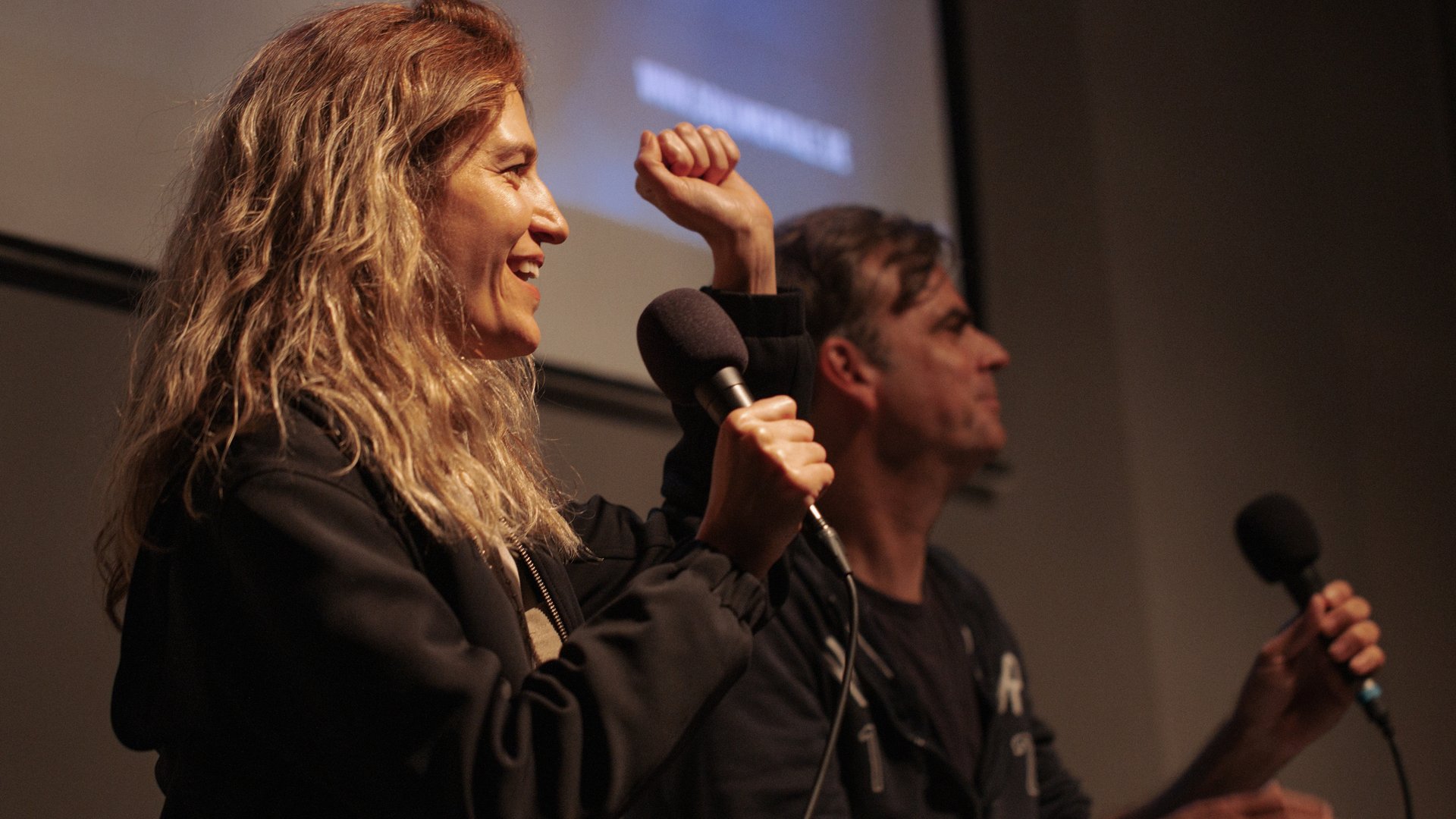
© Filmstill Im Prinzip Familie
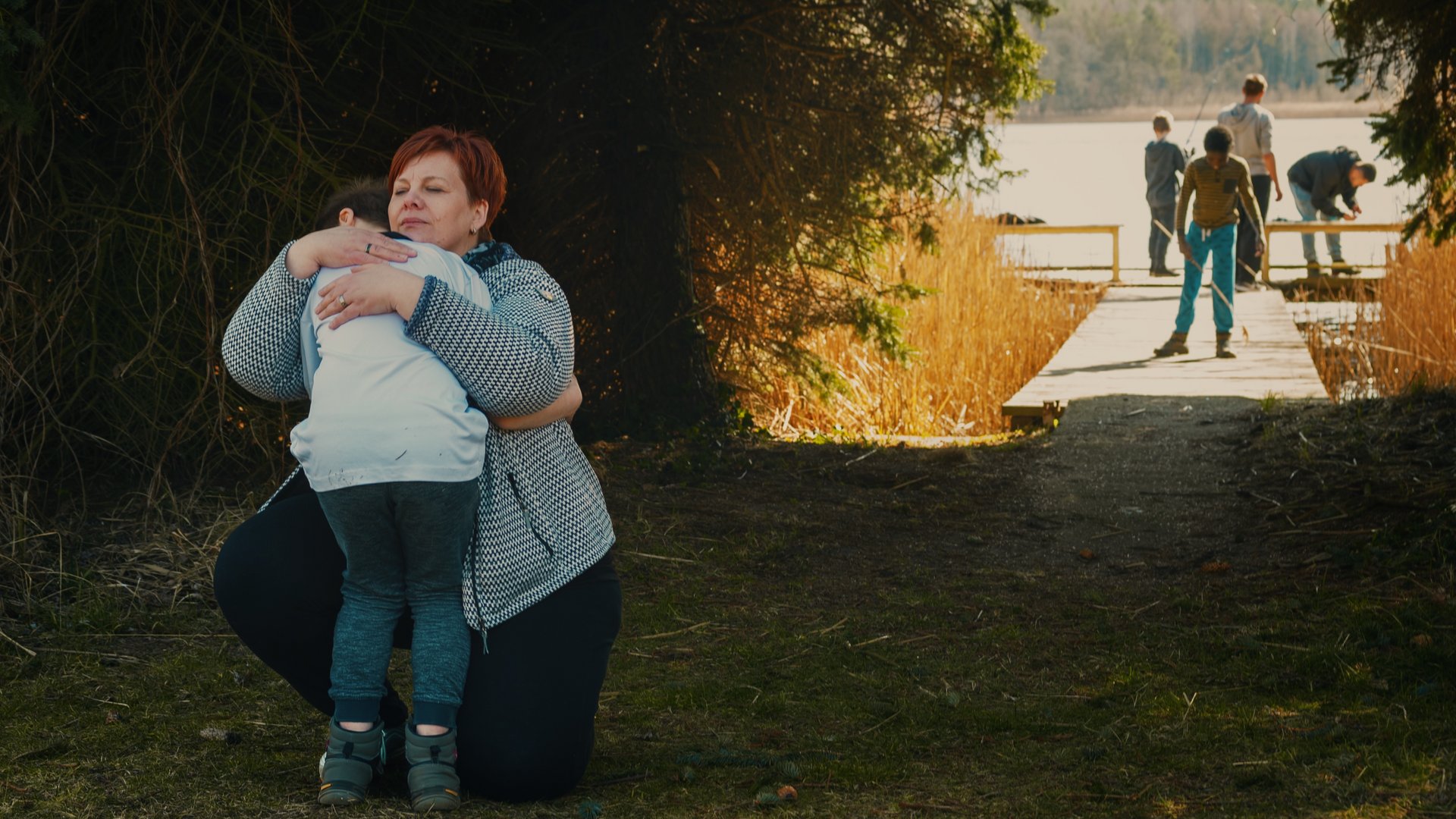
© Filmstill Im Prinzip Familie
At Doxumentale, students discover international documentary films that inspire, encourage critical thinking, and bring current curriculum topics to life. Book your school screening now!
The films are carefully curated for school groups and paired with an expert-led discussion after each screening. They explore key themes such as science, art, and human rights, helping teachers introduce complex topics in an engaging, age-appropriate way. The school film program is recommended from Grade 5 onwards and can be booked flexibly during the Doxumentale festival period (May 27–June 7, 2026) in partner cinemas across Berlin. All documentaries support educational objectives and classroom learning.
Wed, 27 May 2026
09:00 – Sputnik Kino – The Family Approach
10:00 – b-ware! Ladenkino – Mozart’s Sister
11:30 – City Kino Wedding – Sisterqueens
Thu, 28 May 2026
09:00 – KLICK Kino – It Happened on Our Ground
09:00 – b-ware! Ladenkino – The Family Approach
10:00 – ACUDKino – Im Osten was Neues (Changing Sides)
11:30 – Sputnik Kino – Sisterqueens
Fri, 29 May 2026
09:00 – City Kino Wedding – The Family Approach
10:00 – KLICK Kino – Mozart’s Sister
11:30 – b-ware! Ladenkino – Im Osten was Neues (Changing Sides)
Mon, 1 June 2026
10:00 – Sputnik Kino – It Happened on Our Ground
11:00 – ACUDKino – Sisterqueens
11:30 – Bali Kino – Mozart’s Sister
Tue, 2 June 2026
09:00 – b-ware! Ladenkino – The Family Approach
09:00 – Sputnik Kino – Mozart’s Sister
11:30 – KLICK Kino – Im Osten was Neues (Changing Sides)
Wed, 3 June 2026
10:00 – ACUDKino – The Family Approach
10:00 – Bali Kino – It Happened on Our Ground
10:00 – b-ware! Ladenkino – Sisterqueens
Thu, 4 June 2026
11:30 – Sputnik Kino – Im Osten was Neues (Changing Sides)
11:30 – b-ware! Ladenkino – It Happened on Our Ground
Fri, 5 June 2026
09:00 – Bali Kino – Im Osten was Neues (Changing Sides)
11:00 – ACUDKino – It Happened on Our Ground
Subjects: Ethics, Social Studies, German, Civic Education
Curriculum focus: Children’s rights, social learning, responsibility, community
Language: German
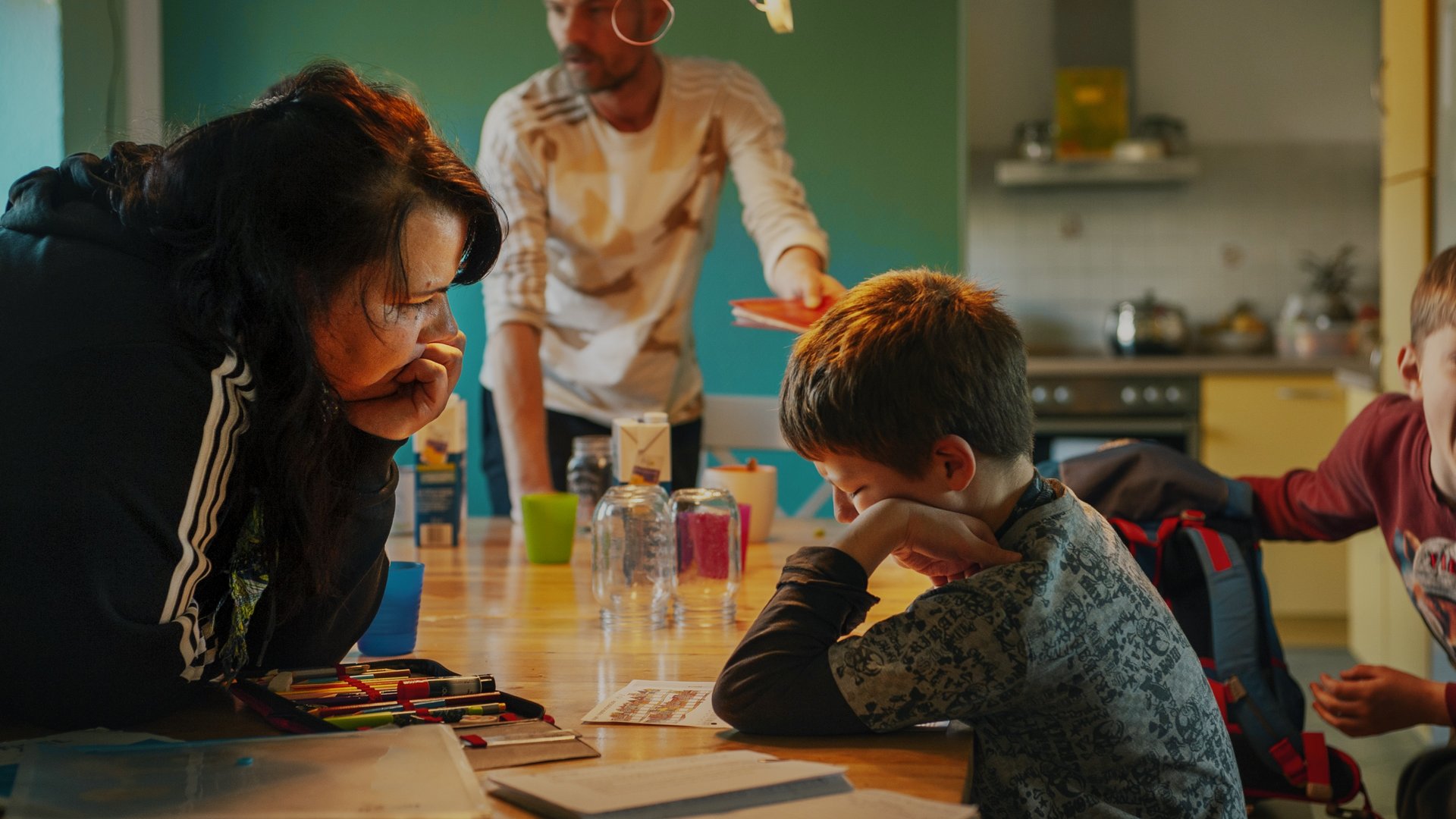
At a house beside a lake, five children sit around a dining table, but instead of mum and dad, they call for Mrs Wagner and Mr Gerecke. For the time being, these youth workers are their primary caregivers, stepping in as parents for all of life’s milestones, shift after shift, with everything that entails—above all: being role models. The children live here by order of the Youth Welfare Office. They all want to go home at some point. To make this possible, the caregivers mediate between guardians, parents, and youth welfare services—which is often an uphill battle at the limits of an overstretched system. The Family Approach offers intimate insights into the everyday lives of youth workers over the course of a year, revealing the superpowers it takes to raise a child.
Use in classroom: The film is well-suited to discussions about child and youth welfare, different family models, and the importance of care, responsibility, and relationships. Everyday life in a residential group offers a sensitive approach to topics such as caregiving, coexistence, and the emotional needs of children.
It can also serve as a starting point for conversations about children’s rights, social justice, and coping with challenges.
Subjects: Civic Education, Social Studies, Ethics, Physical Education
Curriculum focus: Migration and integration, prevention of extremism, identity, responsibility, civil society
Languages: German
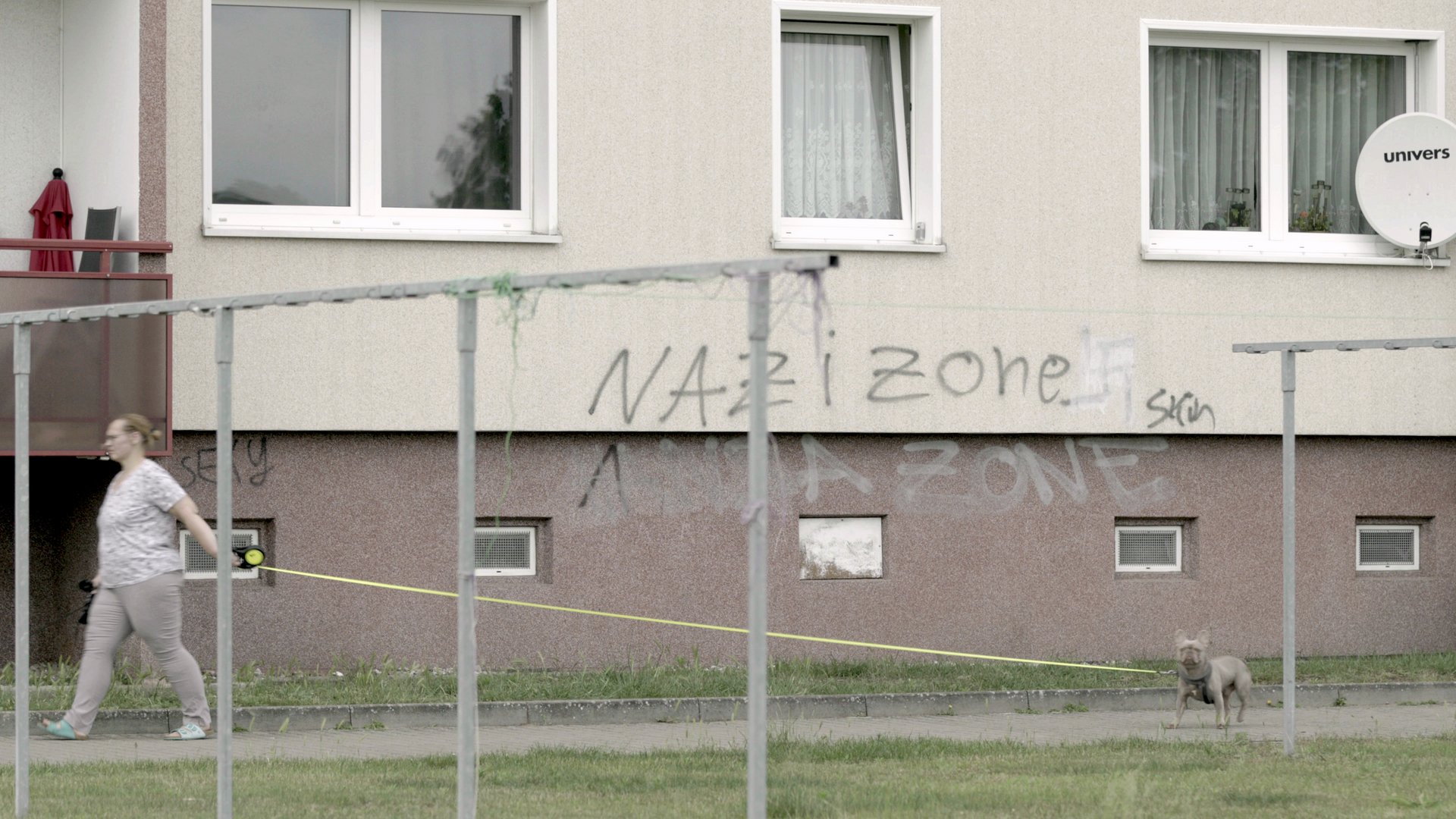
Thomas ‘Eichi’ Eichstädt coaches the FC Pio in Torgelow, a small town in Mecklenburg-Vorpommern. The team is made up of young refugees grappling with their pasts and searching for acceptance. For many, Eichi is a father figure, but he carries the weight of his dark past as a former right-extremist. This gripping film is about making a fresh start as well as confronting one’s own history. Eichi proves that change is possible—for himself and for those who trust him.
Use in the classroom: The film is well suited to encouraging discussions with students about flight and integration, identity, prejudice, and dealing with one’s own past. It opens up conversations about radicalization and disengagement, as well as the unifying power of sport and community. In class, themes such as perspective-taking, biographical turning points, responsibility, and social participation can be explored and discussed.
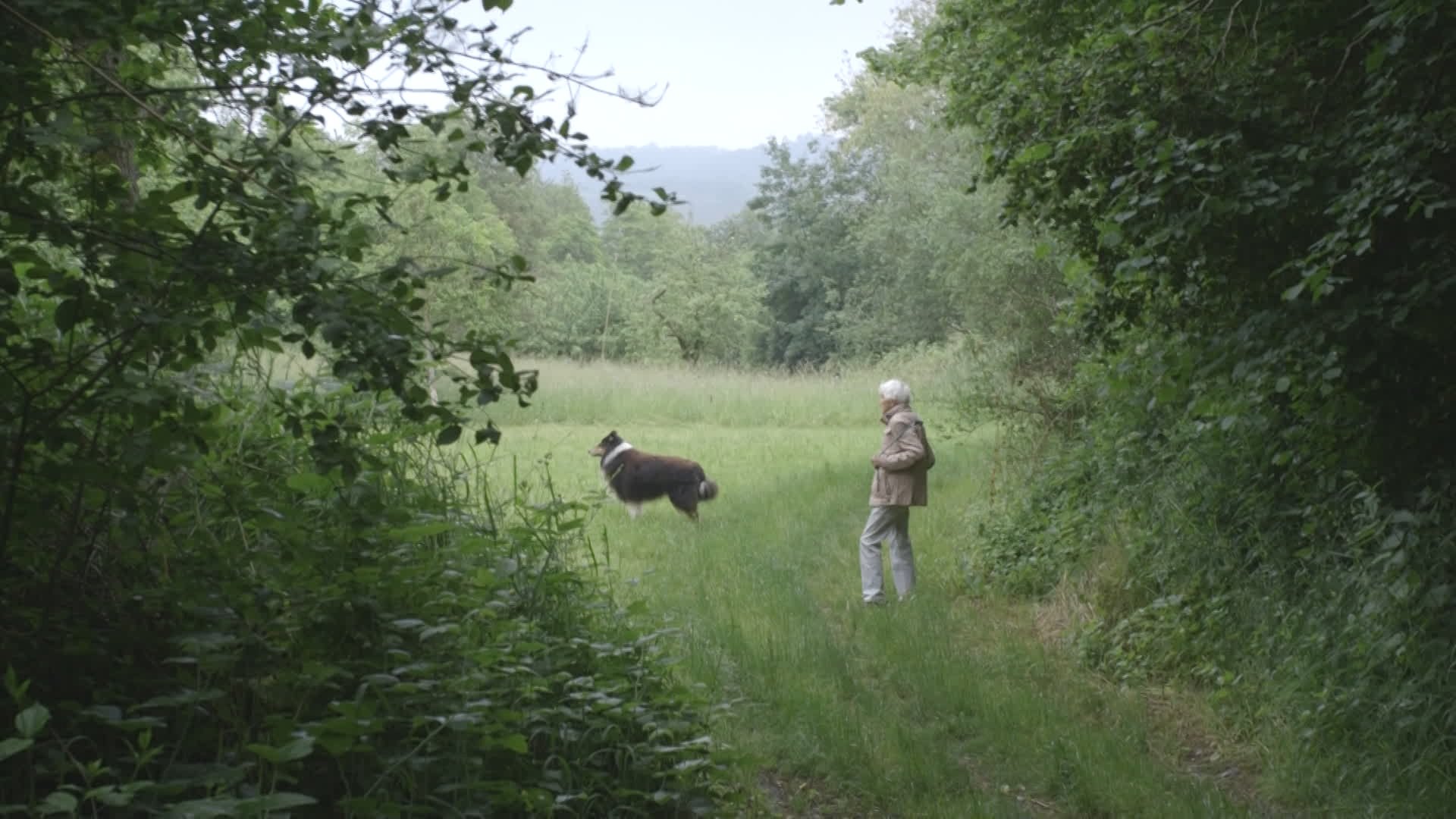
Subjects: History, Civic Education, Ethics, German
Curriculum focus: National Socialism and the Holocaust, culture of remembrance, guilt and responsibility, generational perspectives
Languages: German
Three generations of women come to terms with their family legacy, which is intertwined with the Holocaust and shaped both by affiliation with the Nazi regime and by acts of resistance. It Happened on Our Ground is a sensitive exploration of guilt, memory, and the strength it takes to heal.
Use in the classroom: The film is well suited to deepening engagement with National Socialism from a personal, intergenerational perspective. It opens up discussions about individual responsibility, scope for action, and the culture of remembrance. In the classroom, the film can serve as a basis for conversations about guilt, shared responsibility, and how families deal with the burdens of their historical past.
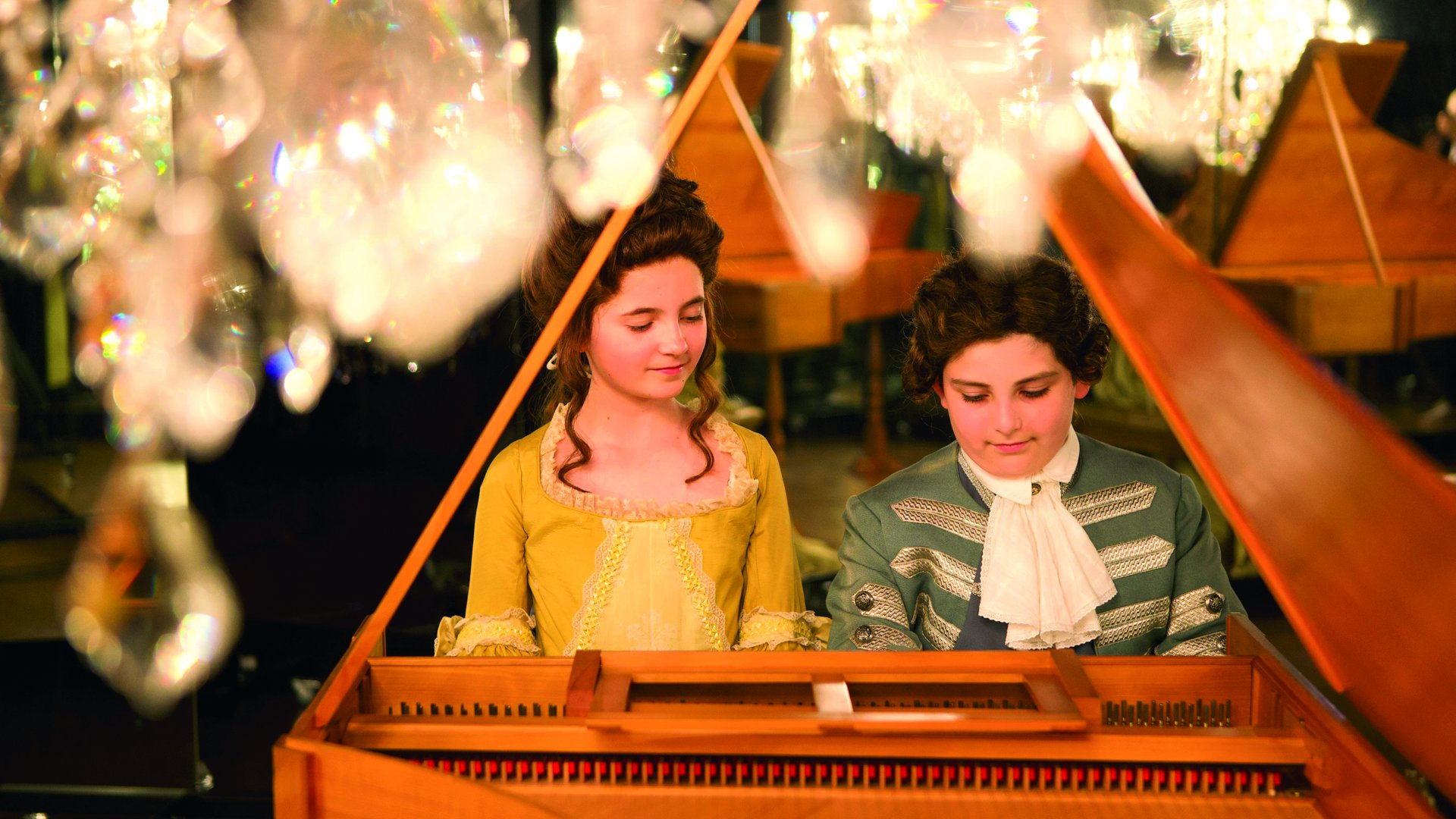
Subjects: Music, History, German, Ethics
Curriculum focus: Gender roles, Gender equality, Cultural history, Biographical learning
Language: German
Like her brother, Maria Anna Mozart was a gifted pianist. Although the two child prodigies travelled through Europe together until they were teenagers and performed for royalty, Maria Anna has remained in the shadow of her famous brother. Upon reaching marriageable age, her career came to an end, as it was not considered proper for a woman to play before an audience. From then on, her father concentrated solely on promoting her younger brother. But she never lost her love of music. It is now thought that she played a greater role in Wolfgang Amadeus’ music than previously assumed.
Use in classroom: The film is well suited for discussing historical gender roles, societal expectations, and the unequal treatment of women in cultural history with students. It offers starting points for conversations about talent, recognition, and visibility, as well as about whose achievements are remembered—and whose are forgotten. Particularly suitable for lessons on music history or gender equality.
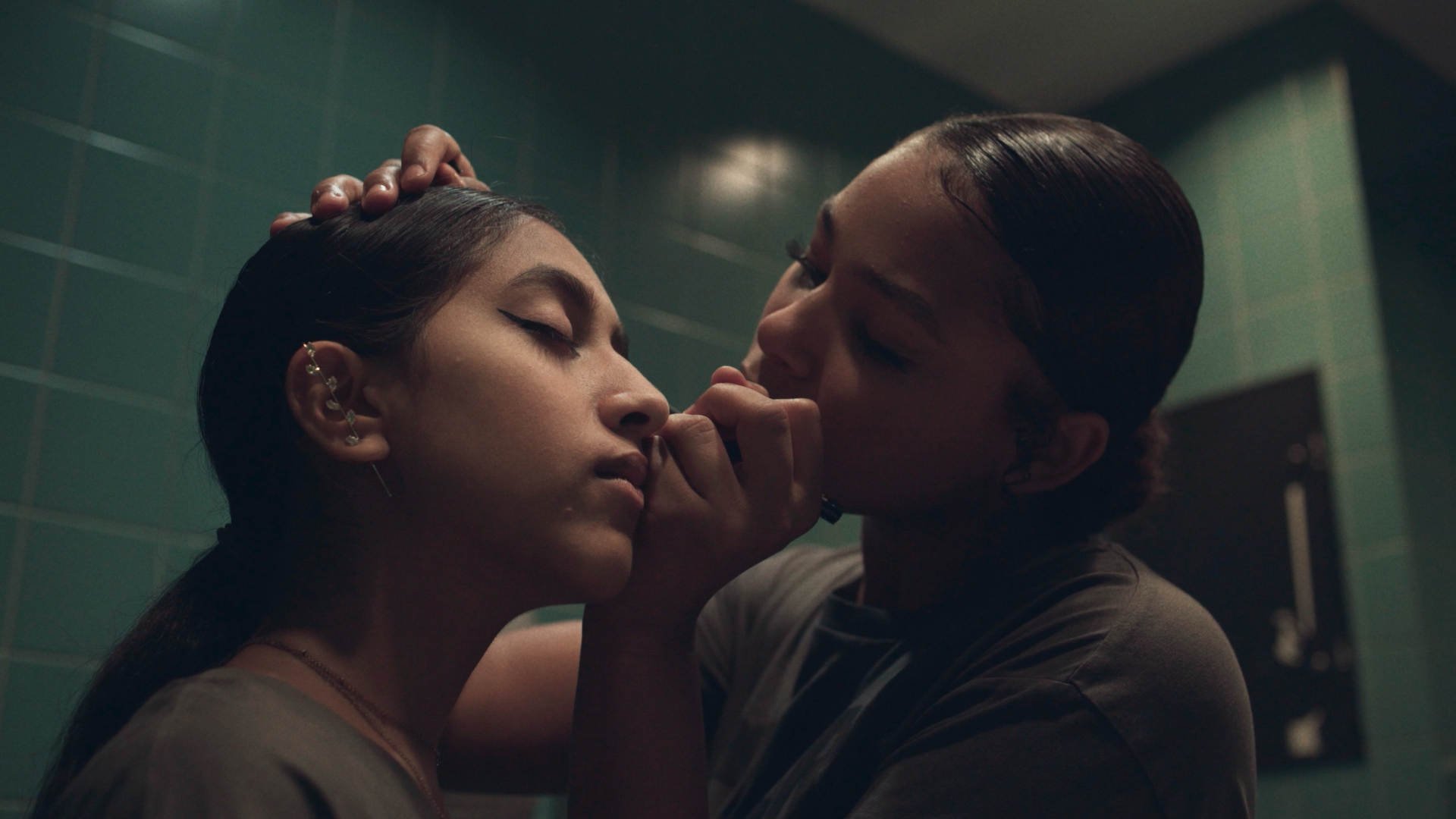
Subjects: German, ethics, political education, music
Curriculum focus: Self-determination, equality, identity, freedom of expression, youth culture
Language: German
Jamila (9), Rachel (11), and Faseeha (12) are part of the Berlin rap crew Sisterqueens. In their lyrics, they address self-determination, identity, and equality. Verse by verse, they break with conventions and redefine feminism.
Use in classroom: The film is well suited for discussing freedom of expression, social role models, and forms of expression among young people with students. It offers numerous starting points for discussions about feminism, political participation, and creative self-empowerment. It is also well suited as inspiration for students' own creative projects, such as rap lyrics, poetry, or music.