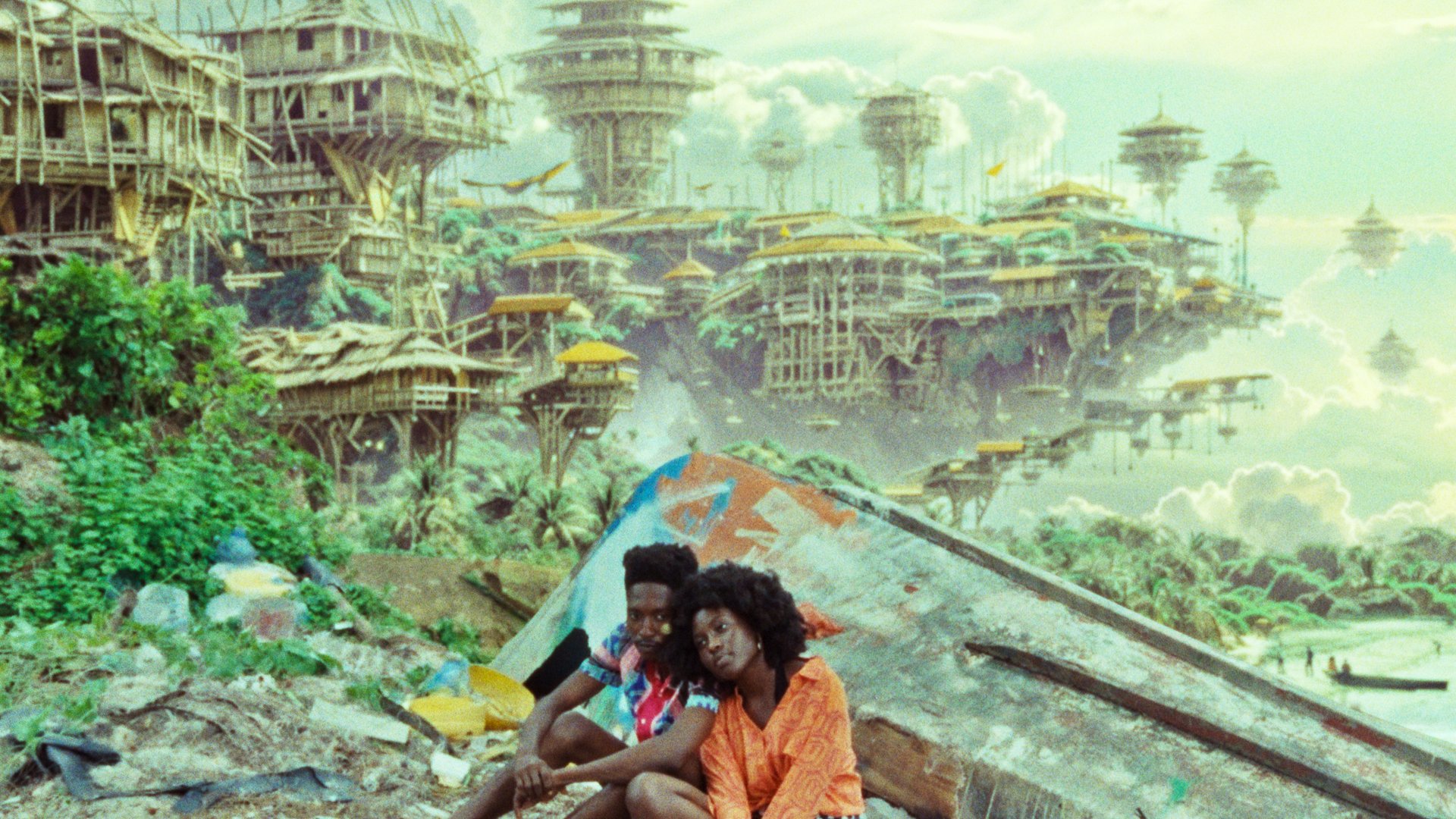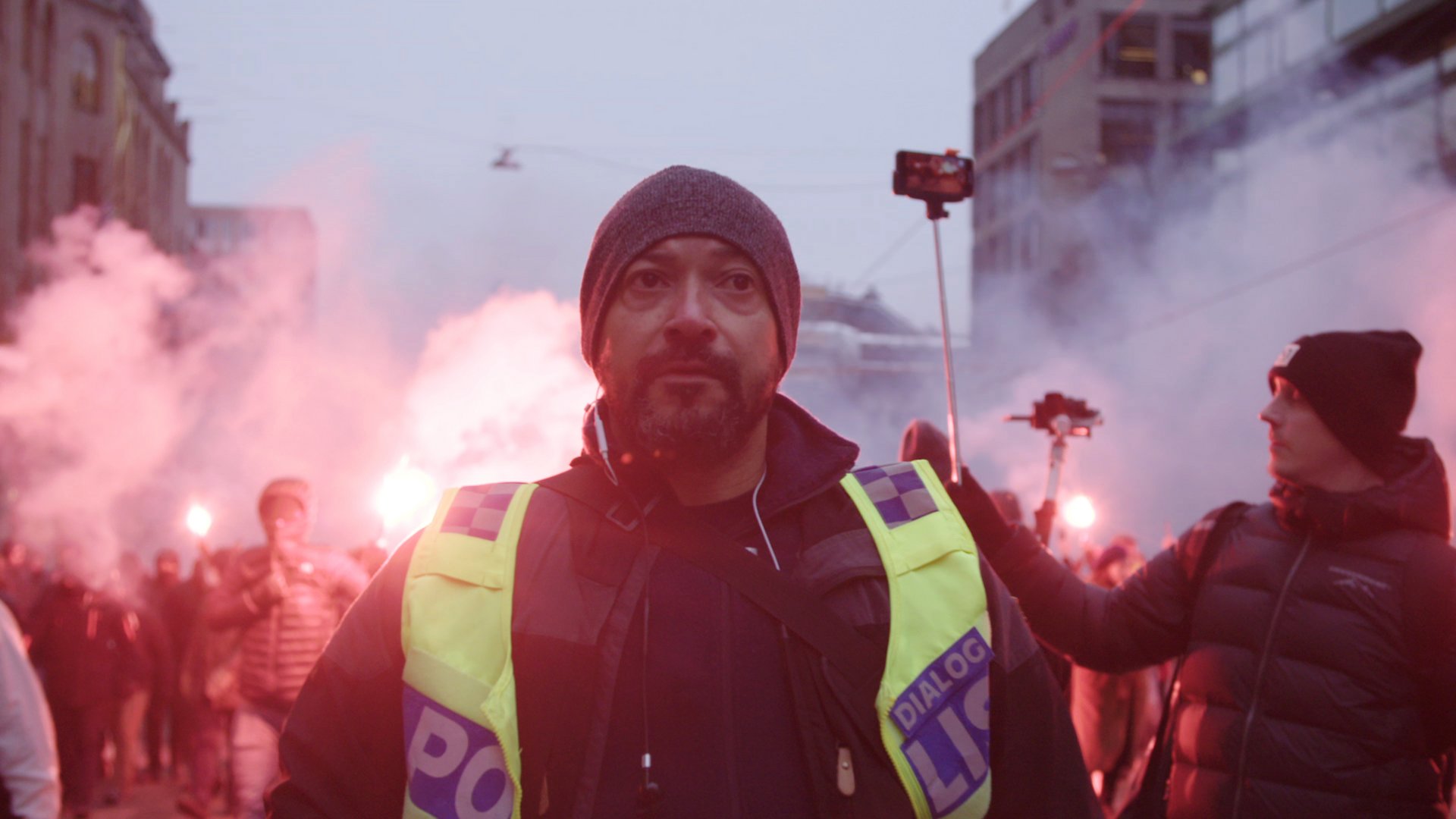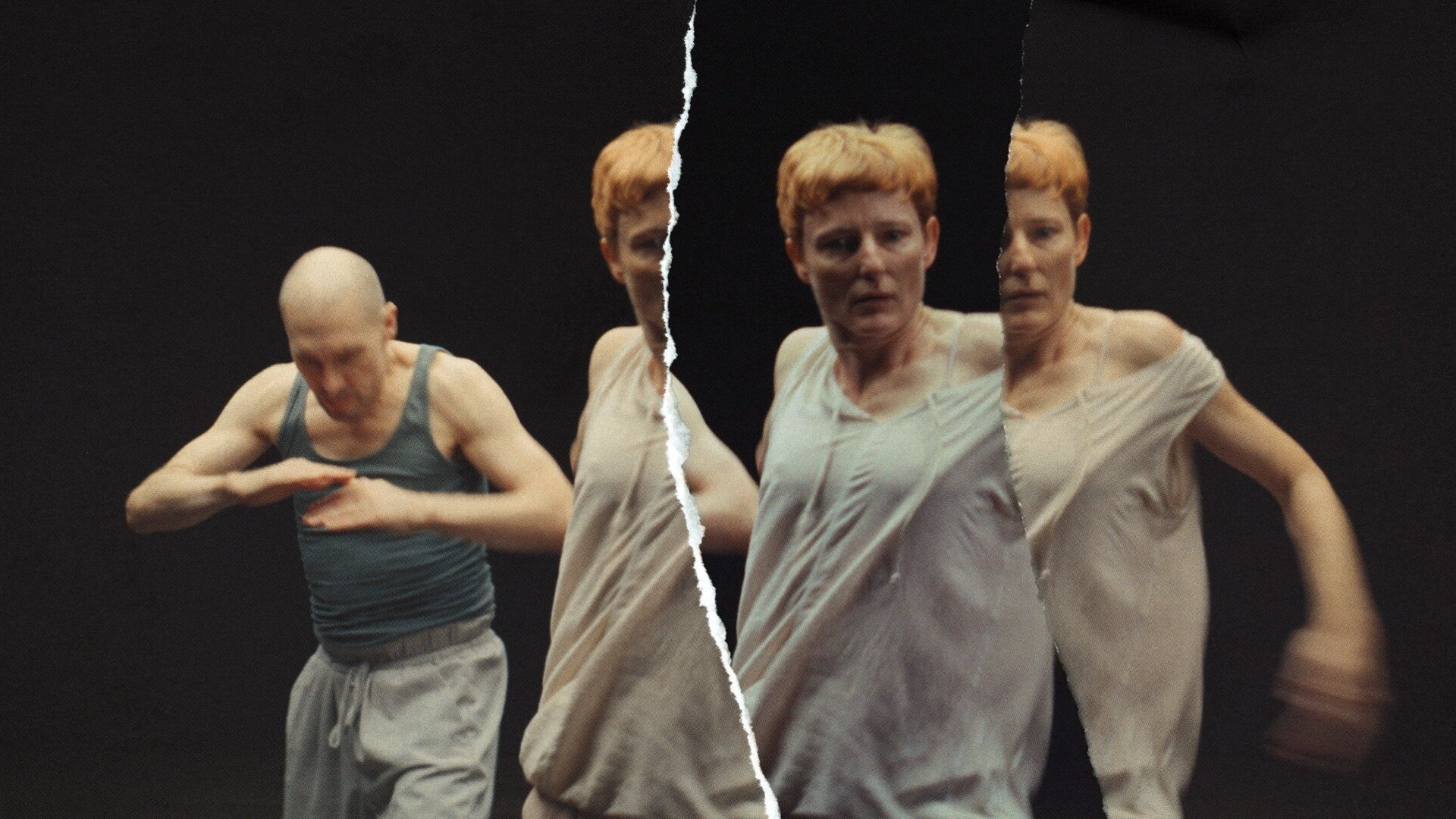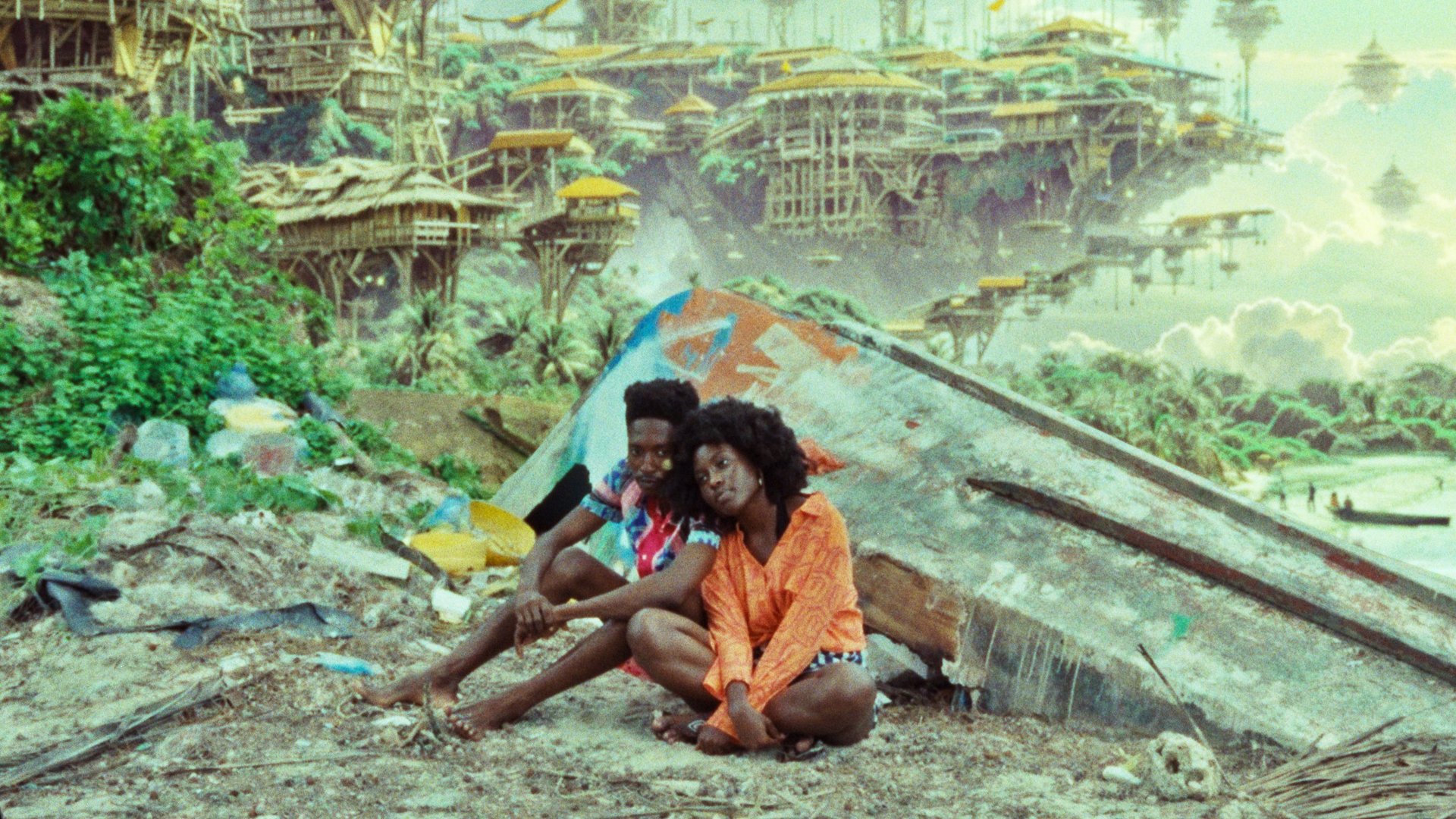
© filmstill Memory of Princess Mumbi
© filmstill Memory of Princess Mumbi
An interview with Director Damien Hauser and Producer Kaleem Aftab on the making of Memory of Princess Mumbi and making films with today's technology.
Memory of Princess Mumbi is a Swiss-Kenyan film set in the year 2093. The film follows a young filmmaker named Kuve, who travels to the remote African kingdom of Umata, where a devastating war has wiped out or banned most modern technology, reviving old monarchies.
Kuve arrives intending to make a documentary about suffering and despair in this post-war society, but is interrupted when he meets Mumbi, a local actress and filmmaker. She pushes him to stop relying on artificial intelligence and technological shortcuts in his filmmaking and instead to create using his “hands, eyes, and heart.” Through their collaboration, Kuve begins to notice the beauty in ordinary life, human connection, and small moments that survive even in a broken world.
Memory of Princess Mumbi is about memory, grief, creativity, and how people preserve meaning through stories and images.
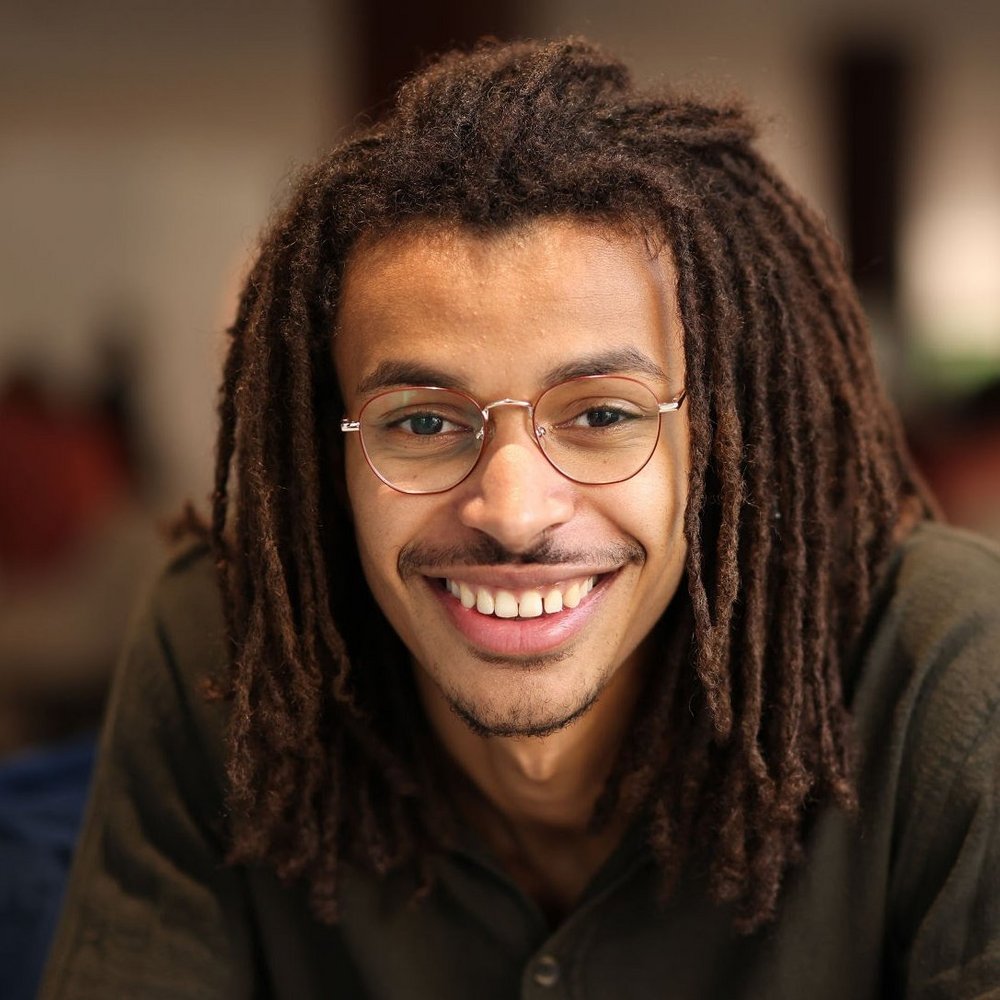
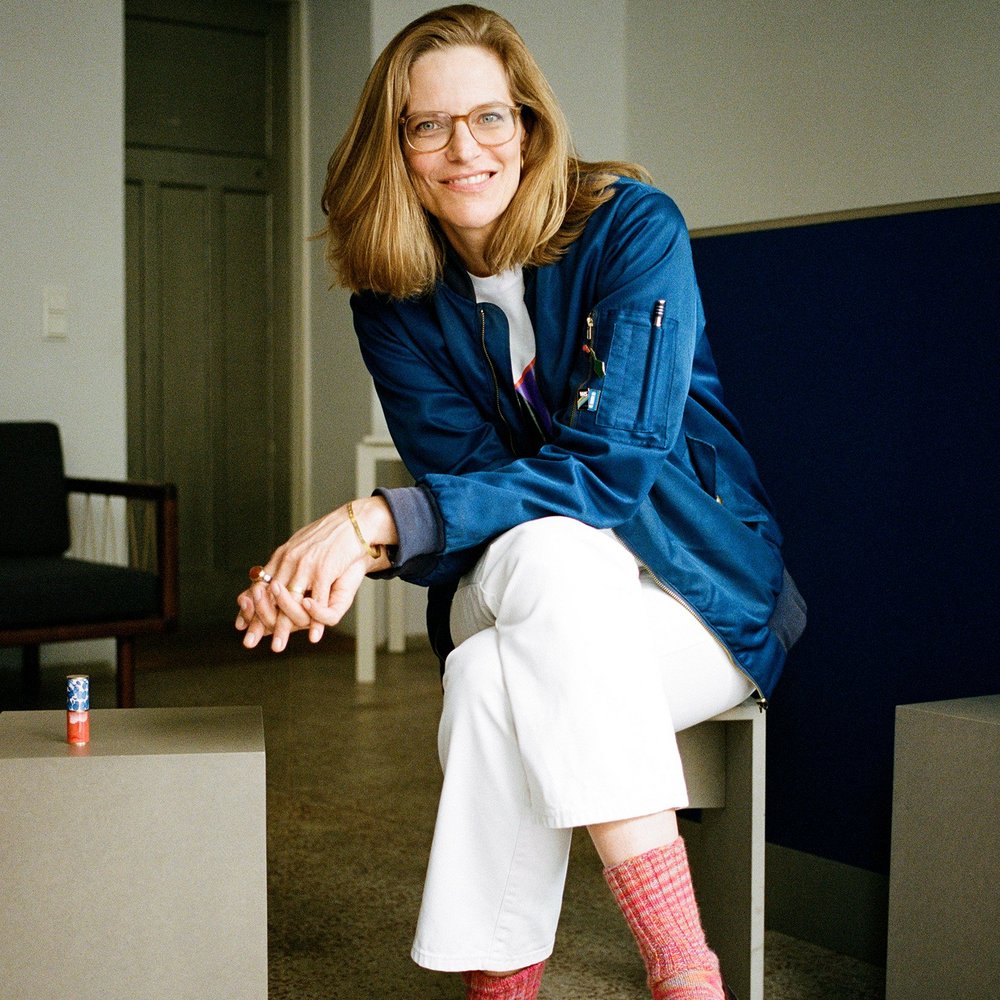
Damien Hauser is the director of the film, cinematographer, editor, producer and much more. Kaleem Aftab is a producer of the film, film critic and former international programmer of the Red Sea Film Festival.
Doxumentale: Damien, how do you feel about a documentary film festival like Doxumentale showing Memory of Princess Mumbi?
Damien Hauser: To me, it's just generally crazy how big the film came out. When I did the film, I was really not sure. It would either be something very special, or it would be something very trashy. I'm very grateful.
Kaleem Aftab: I find it very interesting that the film has been playing not just at this documentary film festival, but others. At first, I was very surprised because, although the film starts as a documentary, it steers quickly into fiction. It uses AI, which is a tool that some would say is very far from documentary, but it does have a documentary aesthetic, and it does have a traditional view and camera work that comes from documentary. And I think the fact that Damian shot the film as improvised from the basis of an idea and creating an environment – that’s a very documentary way of shooting. In this modern world of hybrid filmmaking, that makes this film stand out because it defies all genres.
Doxumentale: Damien, you have said before that this is a film in the“brainstorming phase.” What do you mean by this?
Damien: Well, it was almost kind of like a snapshot of my brain. Everything happened so fast. My little brother passed away one and a half months before I did the film. And I used the film almost as a kind of distraction to just try to do something that that is somehow fun to me. I was working on a story where there was a princess, and at the same time I was experimenting with AI and many different things. Usually, you start out writing your first screenplay and then eventually you start really trying to focus the story and find out what is the heart of it. I really wrote the film in post-production. I have, almost 44 hours of footage, so I really could bend this film to whatever it needed to be.
Doxumentale: The film received an award at the Swiss Film Awards for its use of technology. Can you say a little bit about how you decided to use AI in your film, how you set it up, and how you incorporated it into the story?
Damien: I was just experimenting with AI at the time. This tool came out and I saw a possibility of using those images and putting them in the background as 2D images, the way things were done pre-CGI. As a filmmaker, usually it's difficult to get access to things. I knew I wanted to do a kind of film that takes place in the future and this would be my way to enable it. At the same time, I felt weird using this technology and I felt like I need to address it as well. Therefore, the film also became a critique of it.
Kaleem: I don't really see this as an AI film. It is in people's heads that AI means you've done a computer prompt, and the computer has done the work for you and created the images, the words. Whereas this is more like if you're in a writing program and it's doing spell checks or maybe grammar checks. Here all of the grammar that Damian has asked for help with is in the background. Every single scene of the movie has images that he filmed with a camera and with actors. There may be 1 or 2 establishing shots in the whole film where it's just an AI generated image. This is the future. This is how we have to make films in the future with budgetary constraints. But I don't even think if we had all the money in the world, we would have been able to create a future that fit Damian's imagination as well as it has here.
Doxumentale: Coming back to the actual shooting of the film, your cast is amazing. How did you find your lead, Shandra? In interviews, she talks about how much improvisation was done on set.
Damien: I actually found her on Instagram. The rest of the cast were people that I already knew that were part of my previous projects, but more nonprofessionals. I like the way they improvised. I really left them very alone. Usually, I just kept the camera rolling. For the first ten minutes, people can be very creative and really play a role. And suddenly they start having conversations which are very real and very much just conversations that I could never write. My goal was always to find moments that I couldn't write on paper, moments that wouldn't work on paper.
Kaleem: Just as you're talking – I've never really thought about this Damien, but it sounds like you're using a very cinema verité, a Fred Wiseman type style, where you're waiting until the actors forget the camera’s there to find the authenticity of the moment.
Doxumentale: This film is very encouraging for young filmmakers, just like cinema verité or nouvelle vague was in the past. It was done with a DIY approach on a small budget. We hope to see many films like this in the future. How do you produce a film like this?
Kaleem: I think we're going to be seeing films like this later on this year. I think these films are being made right now. I think if we go onto social media today, there are so many clips or short films that are already being made with technology, maybe even more images than what Damien used. It's never going to sit still. It's like CGI and computer, it's like the history of cinema. You watch a film and you know in what period the movie is made because of the technology and the camera, what the colors on the screen are, whether there are visual effects or which visual effects are happening. What is beautiful now is it enables filmmakers like Damien and others, maybe even less privileged than Damien, who will be able to make movies at home. That will almost be, for me, like an author writing a book. And it's still going to be really hard for those films to get to an audience. But some of those films definitely will, and they'll travel and they'll be blowing up, and gems will happen, and there will be a lot of discovering.
Doxumentale: The film is a Swiss-Kenyan production. Do you think the chances for African filmmakers to be recognized are increasing?
Damien: I mean, I hope so. It goes beyond the film, and it even goes beyond AI. I feel like right now technology is just evolving when you look at cameras. What you can do with cheaper cameras, better quality, that really enables filmmakers who don't have a lot of access to start telling their own stories. Before it was really always Hollywood and Europe, which were telling all the stories of around the whole world. And even when it came to African cinema, except Nollywood, but usually when it came to African cinema, it was always a European funded cinema as well. So, they usually dictated what stories are getting told. I feel, especially when it comes to storytelling in African cinema, there will be a shift in what stories will be told, and I am also hopeful for a shift in how the stories are being told. Therefore, I feel like there will be a very bright future. But I feel like it really depends also on filmmakers. When it comes to AI, it goes into a direction where it feels like sometimes people don't actually see how they could use it as a tool. You see so many fully generated clips where it's almost sometimes sad to see how much it goes into this direction, there is no effort put into it. It really depends also on the filmmakers and how they choose to use this tool.
Kaleem: I would say yes, there seems to be new voices coming from North Africa and the Middle East, because for the first time, there's the means of production, which doesn't involve the gatekeepers of Europe. It's a complicated and nuanced topic. The old systems are still in place and that means old systems of distribution. If we look at Cannes this year, I think there's extraordinary numbers of films that are attached to French sales agents. I think it's like 71% of the films have French agents. They're the gatekeepers. They have French CNC, have 69 films that they've funded. It's really a self-fulfilling festival where you have to buy into the system to get that push out. Something like Damien's film could also have been lost. I know several of his other films before have been lost. It takes real insider knowledge to get these films into big festivals, and really to understand the routes that are possible to establish yourself before you become part of the establishment. Unfortunately, I strongly believe that this film, if you want to talk about the Swiss-Kenyan connection, this film is a very African film that had to be Swiss to survive. And it's way too complicated to go into the reasons of that now. But that's my headline for you.