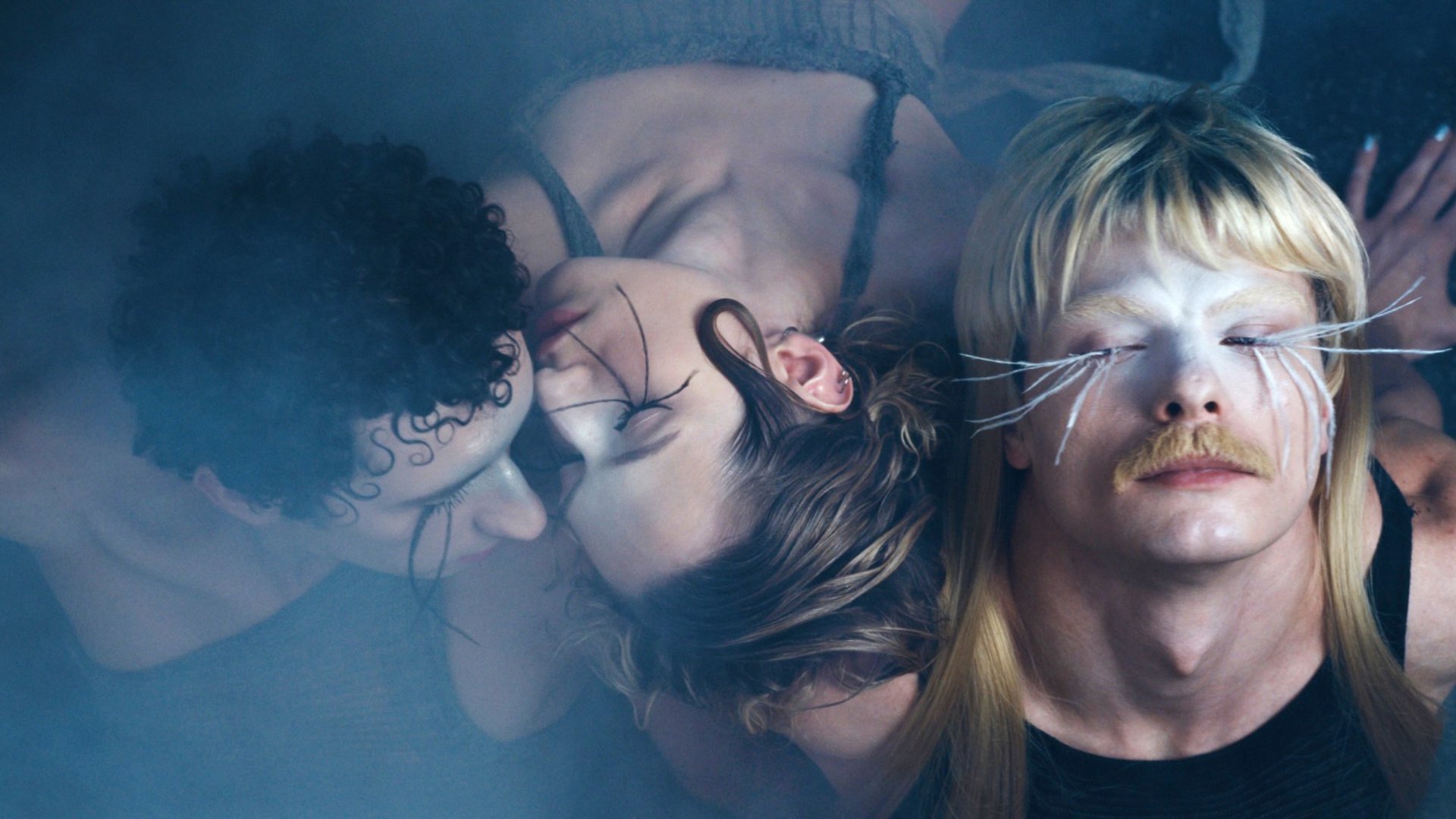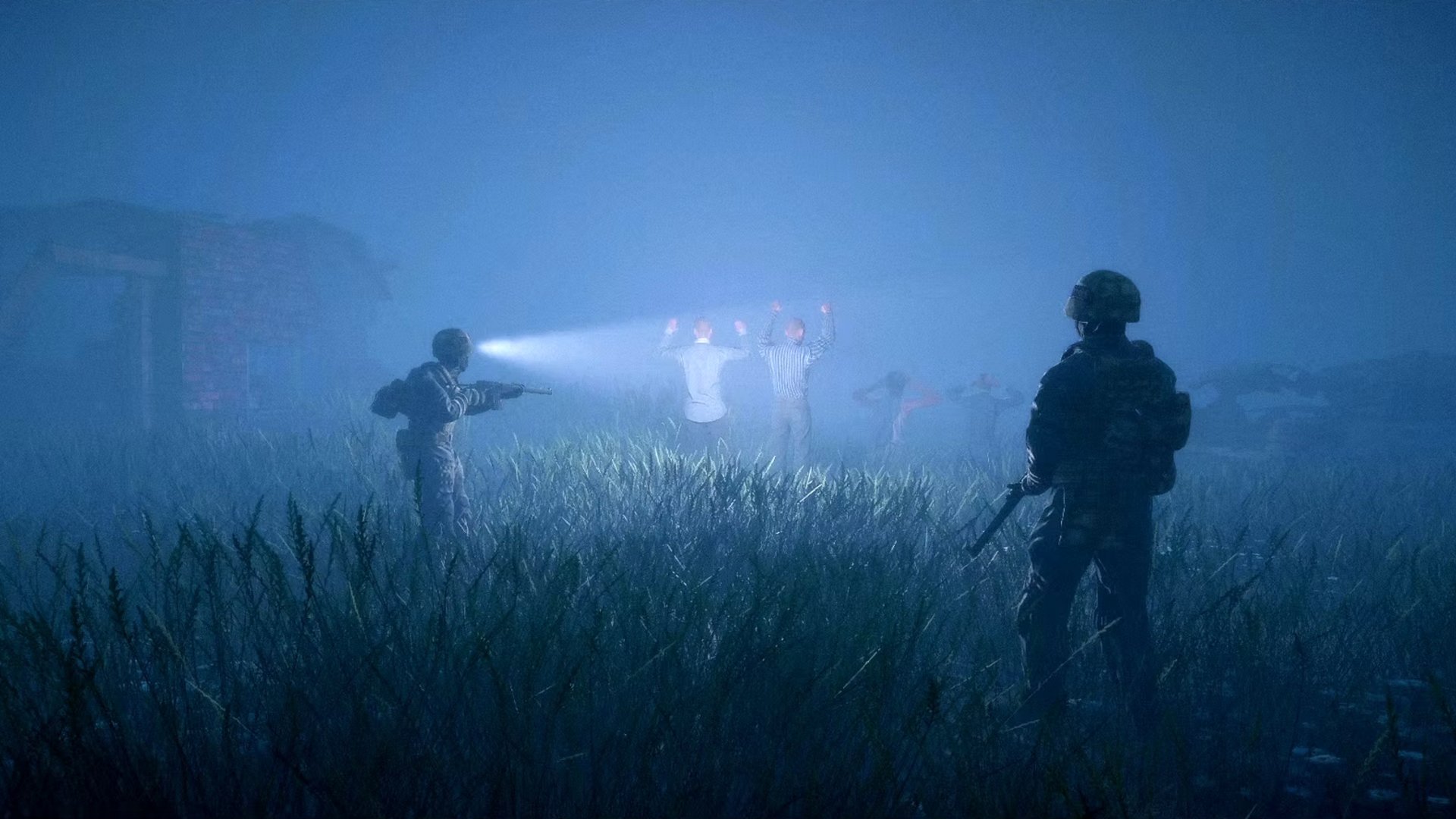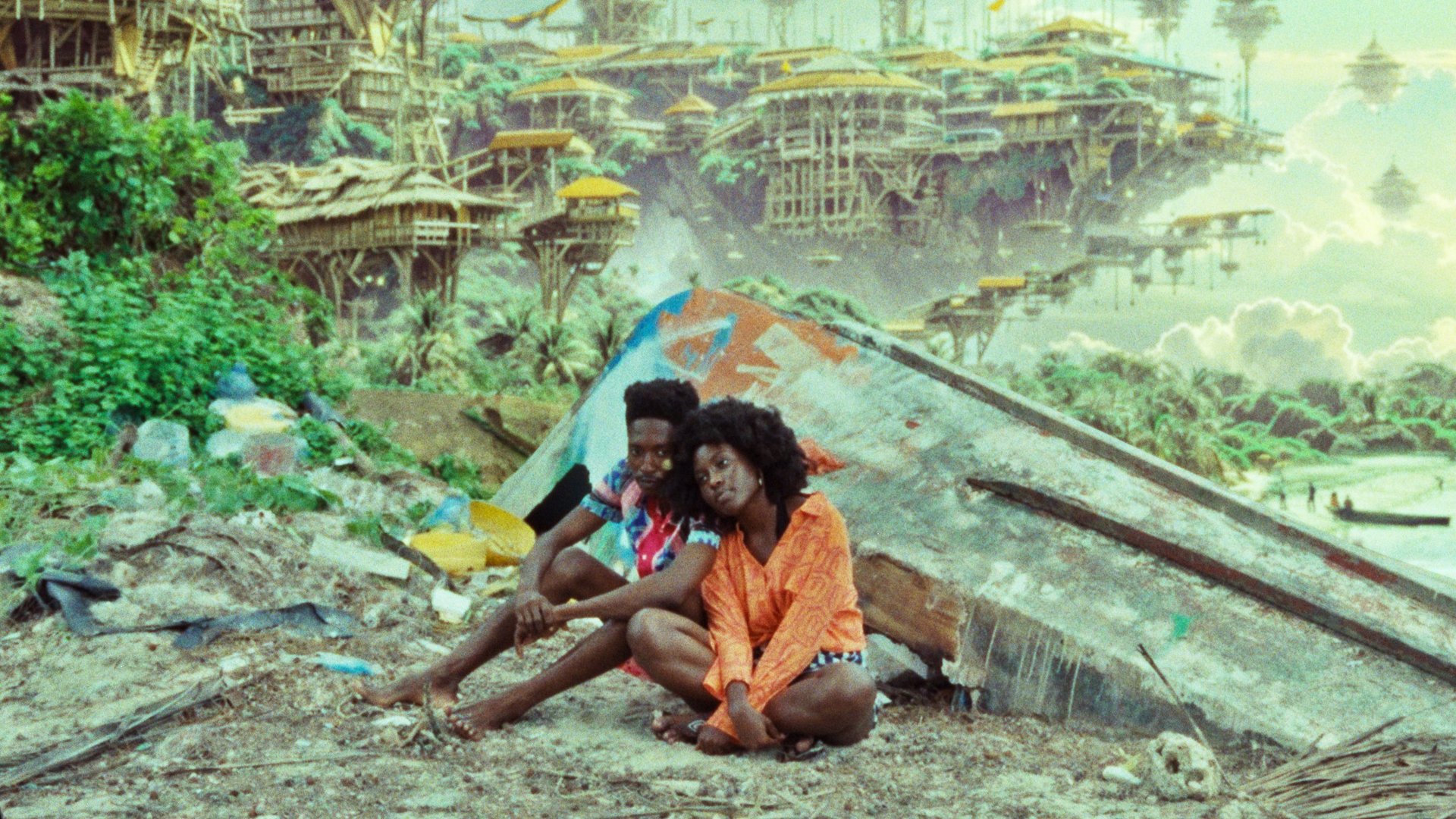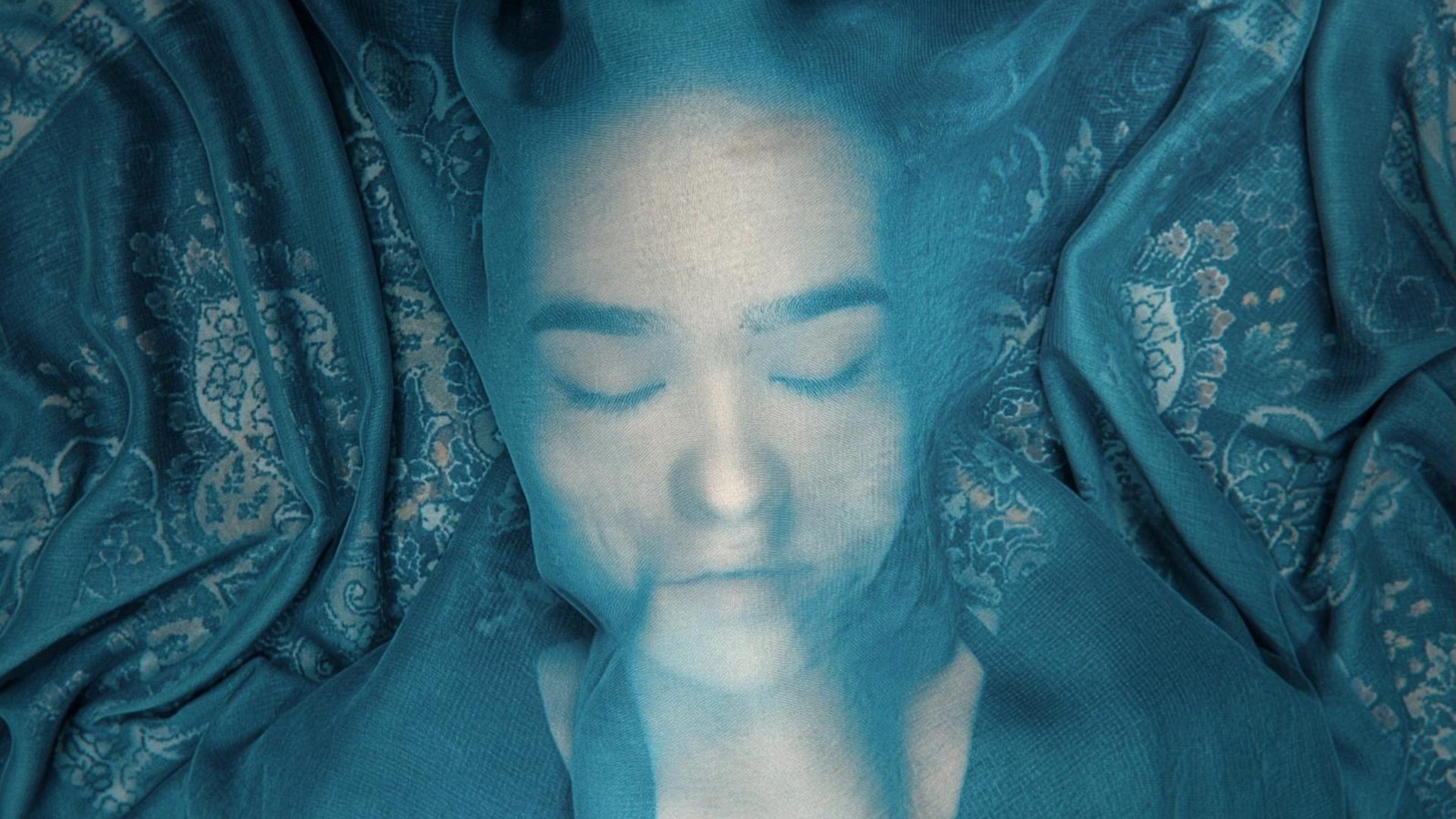
© Film still A Fox Under a Pink Moon
© Film still A Fox Under a Pink Moon
The young artist Soraya Akhlaghi co-directed a documentary with Mehrdad Oskouei while fleeing from Iran. The film was entirely shot on a smartphone camera, directed remotely and created under the most adverse conditions, on human traffickers buses and boats.
I don’t like war, and I also don’t like politics. But we did not choose them; politics chose us, and sometimes we are forced to speak about them even when we only want to live a normal life. After recent events, my relationship with the film has grown much deeper. I’m now even more grateful that we tried to bring traces of politics, world news, and war into the film, because it allowed the film to become more than just my personal story. For me, it is important that the film is not only my voice, but also the voice of people who are living with fear, migration, war, or instability and are often not seen or heard.
I think everything that needed to be said already exists honestly inside the film, and I still would not change its main message.
But if the filming had continued until today, I probably would have captured more moments connected to recent events and their impact on people’s lives. The world keeps changing, and unfortunately war, migration, and insecurity are still part of many people’s realities. I wanted the film not to feel frozen in time, but to carry a feeling that life and history continue beyond the frame.
This was my first film, and when I started filming I was only fifteen years old and had no professional experience. If you watch the beginning of the film, some shots are still raw and unprofessional, but little by little both my cinematography and my feeling for composition became stronger.
During the making of the film, I was also attending cinematography and photography composition classes, and I think this gradual learning process can be seen inside the film itself. In a way, the film grew together with me.
And honestly, I think the phone camera was the only possible way to capture these moments. Because it was small, it could be hidden in sensitive or dangerous situations and attracted much less attention. That allowed me to get closer to people and moments in a way that would probably not have been possible with a large camera.
Yes, I think making this film helped me not completely lose hope during some of the hardest periods of my life.Little by little, the camera became like a friend to me – something I could speak to and share my emotions with, especially during moments when I could not fully express myself to other people.
Part of me wanted to see myself alive, successful, and in a safe place by the end of the film. The film became an image of a future that I had not reached yet, but wanted to believe could exist.Of course, even without a camera I still would have gone through this difficult path. But the film gave meaning to that journey and made it a little easier to carry.
I think one of the reasons the film could connect with audiences is because Mehrdad and I truly understood each other. Between us there was not only a professional collaboration, but also a deep trust that was very important to me. At that time, he was the only person I fully trusted, and I still do.
Mehrdad was not only a filmmaker or director for me. More than anything, he was a supporter – someone who genuinely cared about my safety, emotions, and wellbeing. Before thinking about the film, he always thought about me as a human being.
At the same time, he is an extremely professional filmmaker and knew exactly how to guide this process. He never pressured me to film anything. On the contrary, because of his support and trust, I became more motivated to try harder and capture more honest and unique moments.
If I want to say it very honestly, during that period of my life he felt like a guardian angel that I met. I truly think this film would not have been possible without that trust and support.
I don’t think I can separate one art form from another, because each of them expresses a different part of my emotions and inner world. I need to create. I think if I could not create something, little by little I would become depressed. For me, art is not entertainment or just a profession; it feels more like a meaning for life itself.
I paint my sadness, I sculpt my anger and my voice, and I express my joy through music and instruments. Each medium carries a different part of me, and none of them feels less important than the others. In the end, all of these art forms are like one complete family for me — different ways of surviving, understanding myself, connecting with the world, and also connecting with myself.
Yes, Mehrdad and I are thinking about a new film and we already have some ideas, but for now I don’t want to reveal too much about it. At the moment, I feel that I need a little rest and peace. I want to spend some time focusing more on myself, my personal life, my art, and also learning new things and growing as an artist. I simply want to enjoy this period of my life for a while before starting another long journey. Probably after one or two years, Mehrdad and I will begin working on a new film together again.