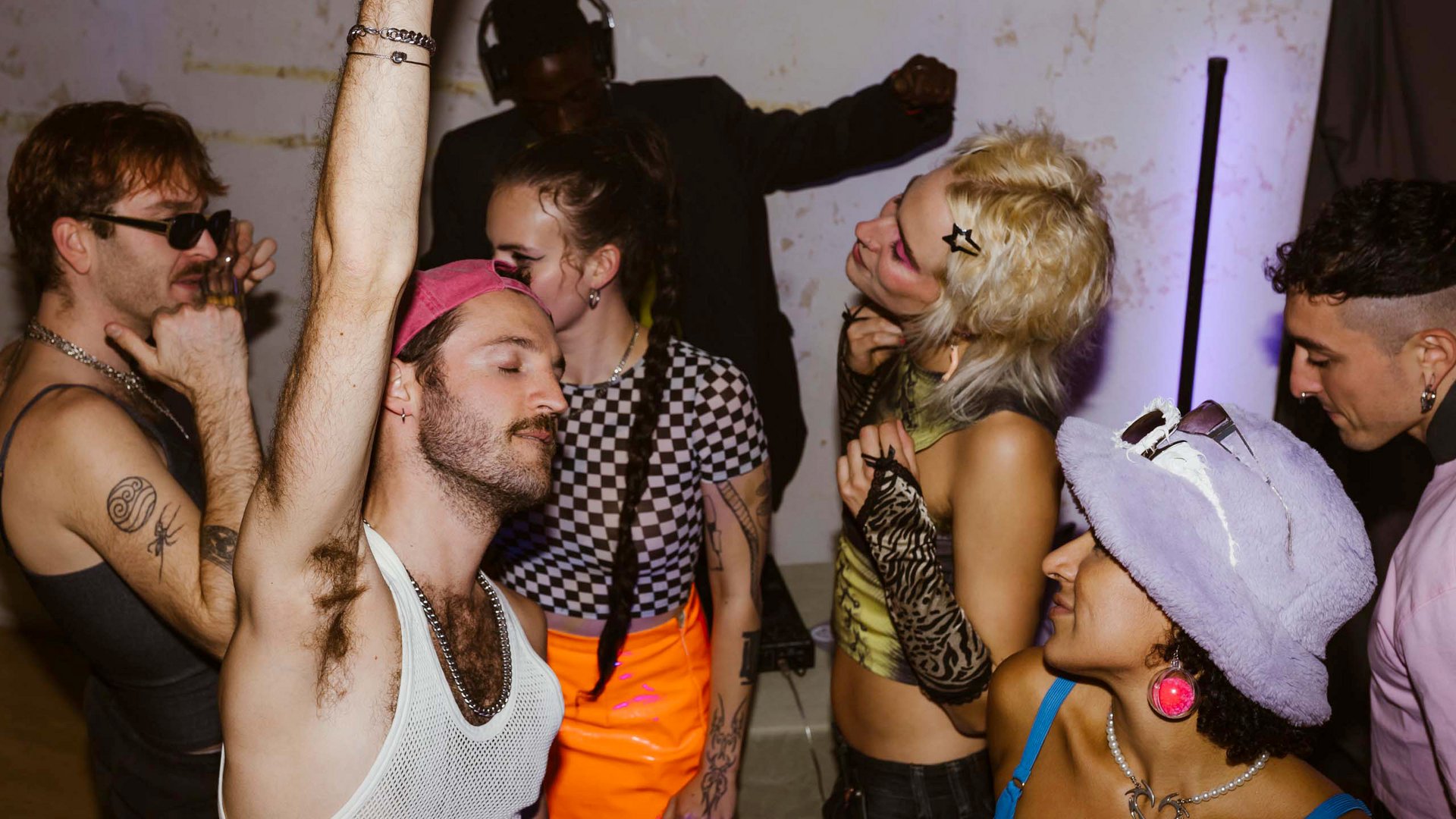
© Film still Omega Wants to Dance
© Film still Omega Wants to Dance
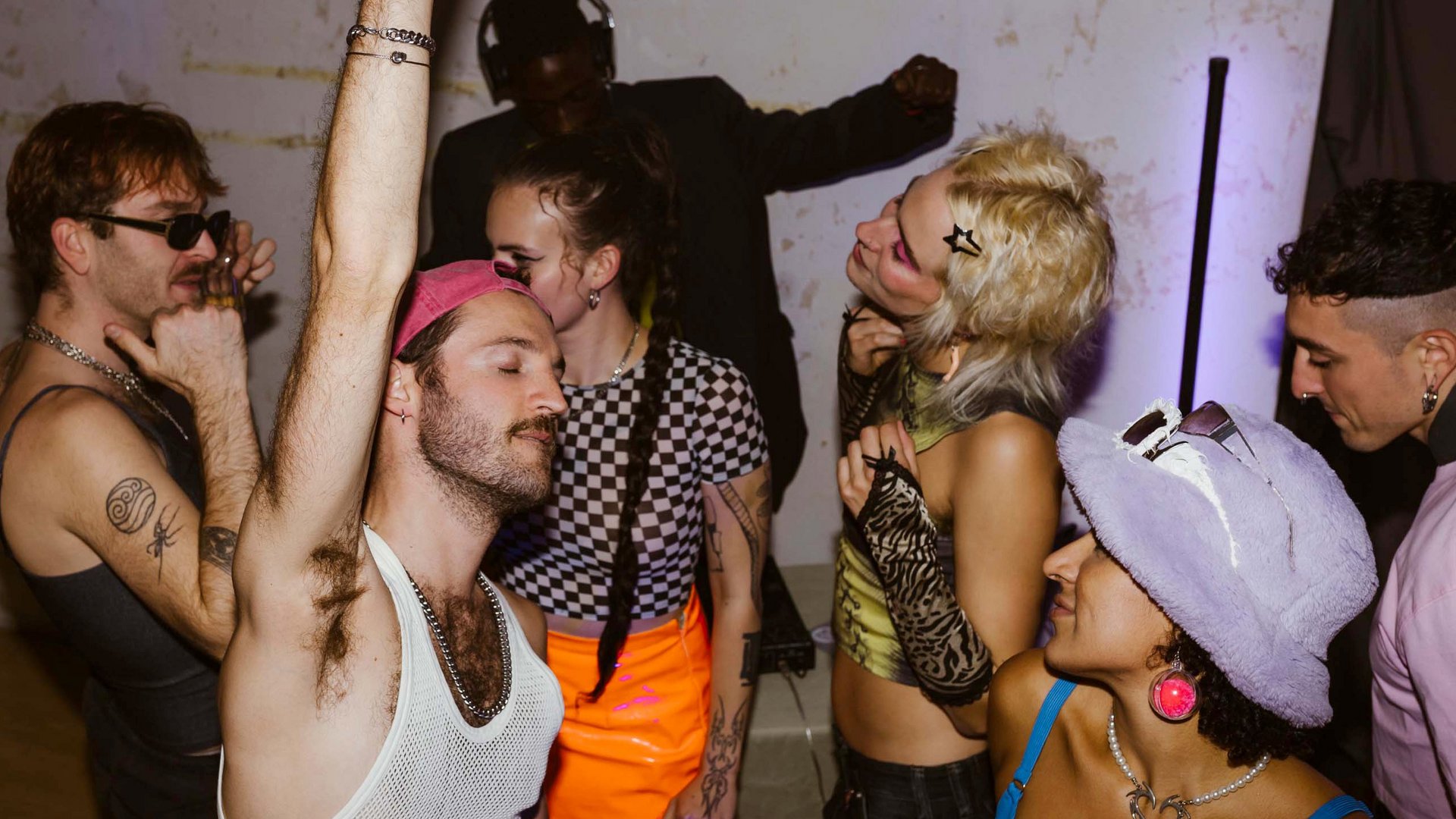
The documentary "Omega wants to Dance" follows people across Asia, Europe, North and Latin America and showing how movement reveals identity, belonging, and social change within different cultural contexts – and asks: what truly moves us?
Others associate dancing with clubs, sweaty bodies, techno. I think of my family. I picture their laughing faces, bobbing along to the rhythm of the music. Each of us has such a distinctive dancing style that we can all imitate one another with just a few moves.
At Christmas, we sometimes dance in the living room to Persian music; at Easter, late in the evening, a wild mix of old and new pop songs plays. No matter what song comes on, whether you know the lyrics or not — everyone sings along. On good evenings, we all end up dancing around the dining table. I love those evenings.
Each of us has an association, a relationship, a feeling when it comes to dance and music. Personal, social, cultural. That's what Omega wants to Dance is about — what dance is and what it does to us.
People have always used dance to express themselves and experience a sense of community. The film follows people across Asia, Europe, North and Latin America, showing how movement reveals identity, belonging, and social change within different cultural contexts.
Personal experiences and cultural perspectives illustrate how dance is used as a means of connection and communication, opening up a view onto the physical, emotional, and social dimensions of being human.
Through interviews with a wide range of people and images from a wide range of places, the film shows just how diverse dance is — and invites us to immerse ourselves in its history.
One of the film's protagonists, Berlin style icon and techno enthusiast Günther Krabbenhöft, tells us a little about the film and his passion for dancing in the video here.