Crime doesn't dominate documentary because audiences are morbid. It dominates because an unsolved case is the cheapest serial engine anyone has found: a cliffhanger you don't have to write.
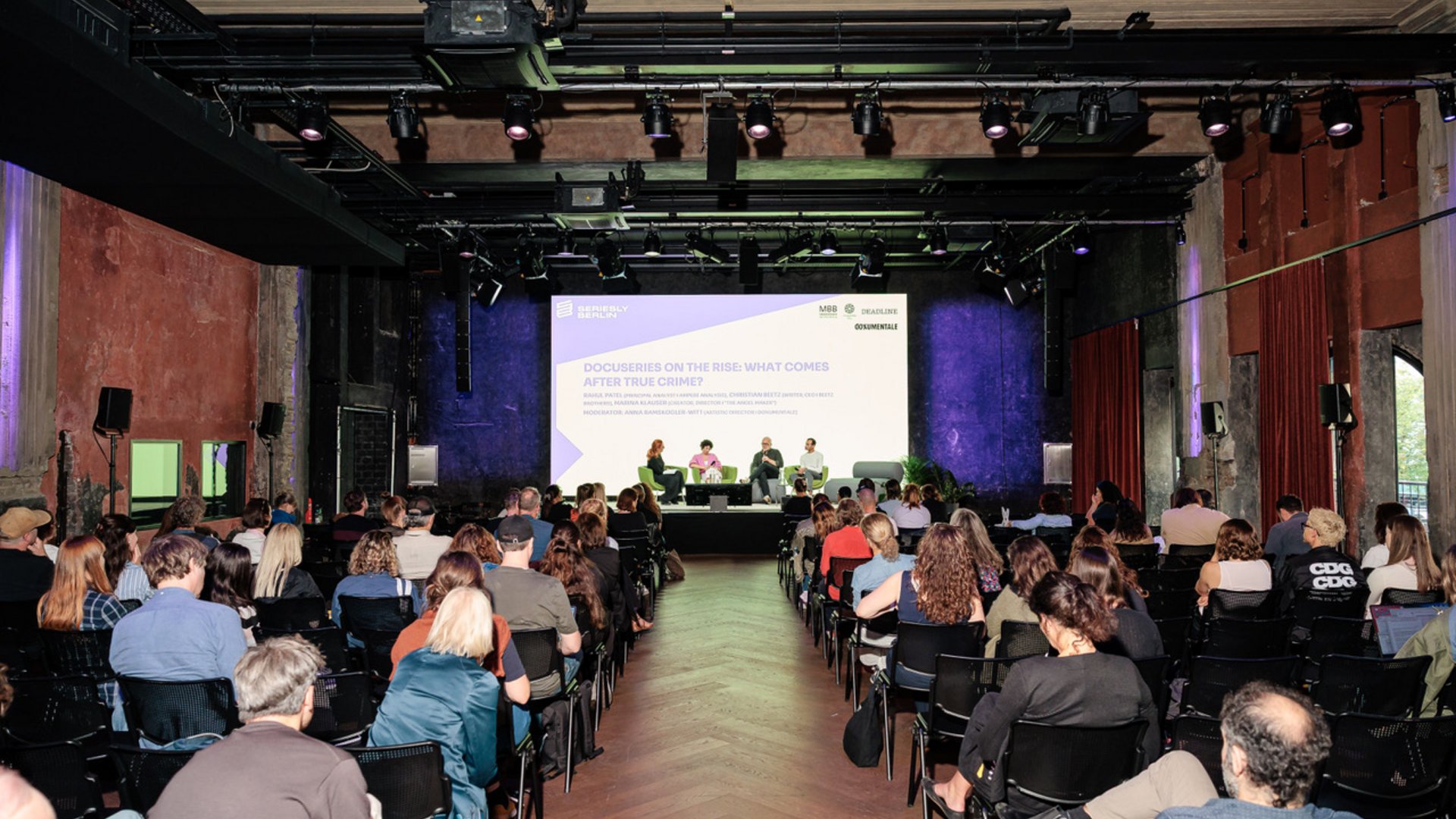
Rahul Patel's presentation at Seriesly Berlin gave indepth insights into numbers and documentaries. Not just series, but documentaries in general. Some where new to me. I would have never suspected that nature is not in the top 3. But Rahul came with more suprises, he had the entire global documentary market on his slides: roughly 4,000 titles greenlit a year, flat since 2022. Still he said, the numbers were the least interesting thing. The reasoning underneath them is the interesting fact.
Why is crime on the high?
Patel's case for crime has two parts, and only one of them is about taste.The first is structural. A mystery unfolding across multiple episodes holds an audience by design, which makes the format unusually safe to invest in. You don't have to manufacture a reason to watch episode two. The second is about export. Ampere's consumer research finds crime popular in every single market they track — not most, every one. To show that rather than assert it, Patel took the Netflix docuseries released between 2023 and 2025 and counted how many countries each one reached the top ten in. Across the fifteen titles that travelled furthest, a few sub-genres recur — biography, sport, legal stories — but crime is the one that keeps appearing. That's the whole case. Crime is cheap to serialise and it clears customs.
And why is sports not that interesting any more?
Sports documentaries are the clearest example of a genre losing ground for reasons that have nothing to do with the genre. For years they were how a platform reached sports fans without holding sports rights — shoulder content around an event it couldn't show. As streamers moved into live rights directly, that function disappeared. The documentary didn't get worse. It stopped being the strategic route to the audience. Travel, nature and animals are also in decline. Culture and history are the two sub-genres moving the other way.
And do all want the same thing?
According to Patel's number broadcasters and streamers want opposite things, and that is important when you pitch. his was the core of the presentation, and it's the part that should change how you pitch. Ampere tags its commissioning data with thematic descriptions, which lets them see not just what sub-genre a title belongs to but what it is actually about. Run that across European broadcasters and global streamers and two different logics fall out.
Broadcasters compete on proximity. Cultural and historical series resonate specifically with a domestic audience, which is precisely what a globally-minded platform cannot replicate. For public broadcasters there is a remit pointing the same way. Differentiation and obligation happen to agree.
Streamers compete on recognition. Sport and biography let you build a series around internationally known people, celebrities and brands — a team, a name that means something in forty markets. That is the only reliable route to economies of scale when you are chasing audiences across borders.
But is it really all about numbers?
Right at the end, the moderator asked the analyst how much anyone should orient themselves by his data.The answer was unexpectedly humble for someone who counts for a living. The numbers reliably describe what people have watched, he said. About what they will watch, they say nothing. Several of the biggest documentary successes of recent years appeared in no forecast at all — they served a demand that wasn't yet measurable, and what made them work was energy and storytelling, not category fit.That isn't a licence to ignore the market. It's a division of labour. The data tells you which door to knock on, and how to finance what's behind it. What you say when it opens isn't in any chart.
The full and highly recommended presentation of Rahul Patel is available here: info.ampereanalysis.com/docu-seriesly-berlin
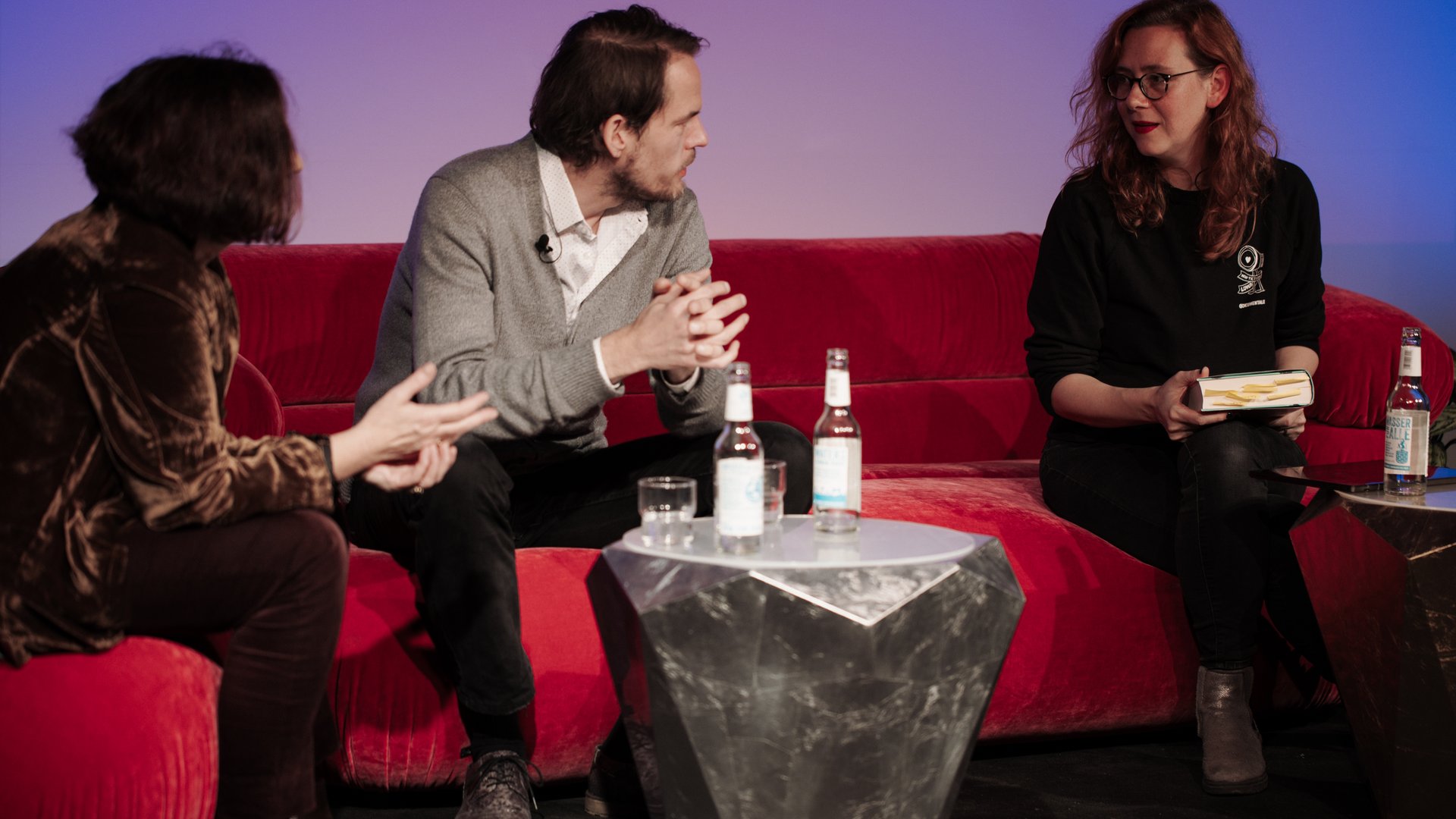
Rahul Patel, Principal Analyst at Ampere Analysis, presented "Docuseries on the Rise: What Comes After True Crime?" at Seriesly Berlin, in partnership with doxumentale, Medienboard Berlin-Brandenburg, Fotografiska Berlin and Deadline. The panel that followed featured Christian Beetz (Clandgold, gebrueder beetz filmproduktion) and Marina Klauser (director and writer, Der Engelmacher). Remarks are reported, not quoted verbatim.
Seriesly Berlin brings the international series industry to the city each September: premieres across venues including the Fotografiska Ballroom and CineStar, plus a two-day conference for producers, commissioners, financiers and creatives. The festival is supported by Medienboard Berlin-Brandenburg, Fotografiska Berlin and Deadline.