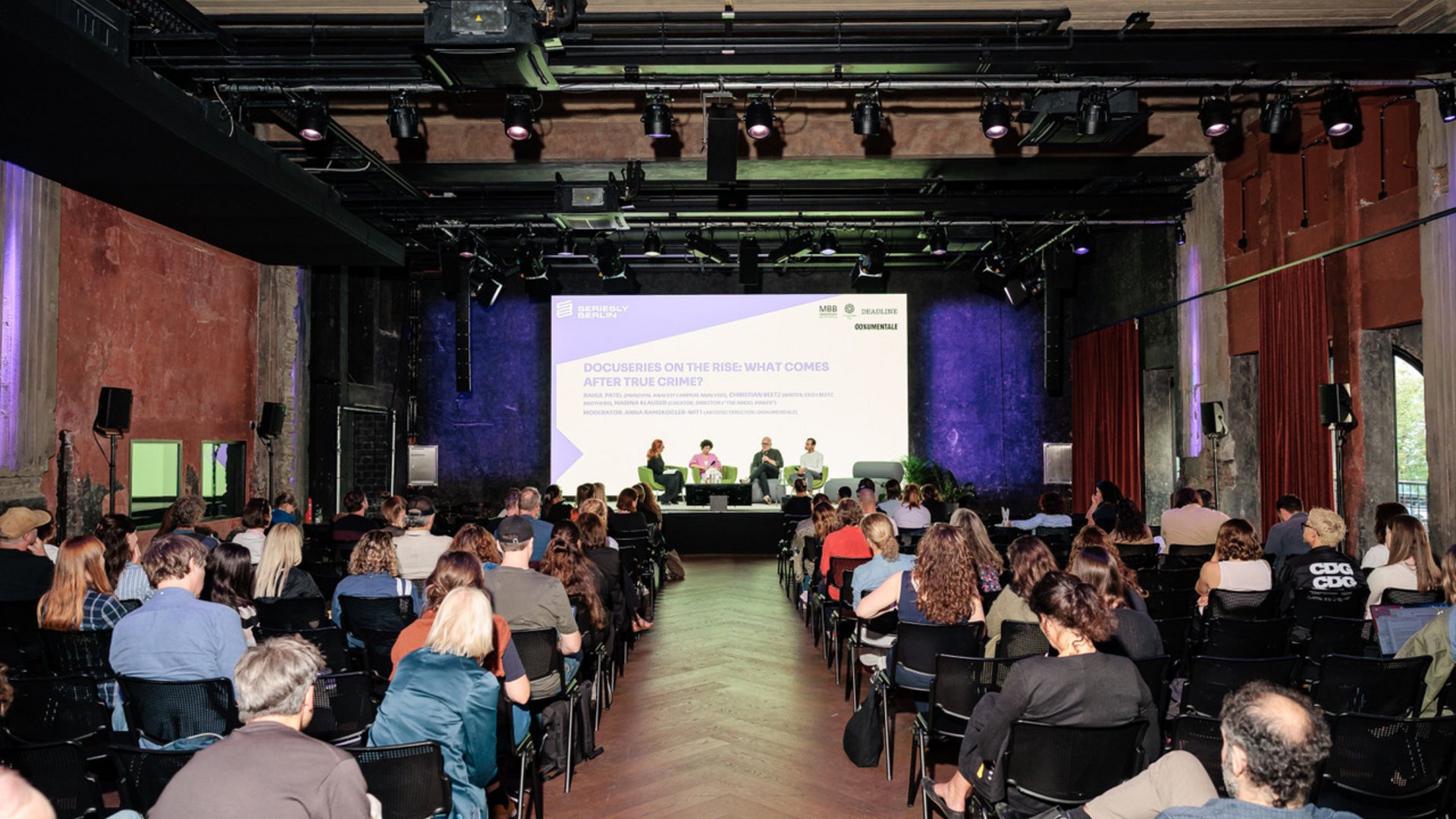
Stories of Freedom was initiated by Starlounge and The Good Media Network , taking place as part of Berlin Freedom Week with the support of the Senate Chancellery of Berlin and Berliner Sparkasse at the Colosseum Berlin, in partnership with Meine Schönhauser Allee. Berlin Freedom Week is a joint initiative of the Berlin Freedom Society e. V., the World Liberty Congress, the Robert Havemann Society, the Axel Springer Freedom Foundation, and visitBerlin.
On Wednesday, 11 November, the Film Award of Berlin Freedom Week returns to the Colosseum on Schönhauser Allee for its second edition. Seven awards, nine films, one cinema, and not a single ticket to pay for. Stories of Freedom is a film day and an award ceremony in one: every screening ends with a laudation and a long conversation on stage, with the directors, the people in the films and guests from Berlin who know these stories from their own lives, some of them from the other side of the Wall.
The guests are coming a long way. Andrei Kutsila arrives from Poland with letters from Belarus. Artem Lysak comes from the Ukrainian front. Izumi Taira flies in from Japan with a world premiere in her luggage. What brings them to Berlin is what brings Stories of Freedom to the Colosseum every November: freedom, democracy and the people who defend both at a price most of us never have to pay.
The laureates were chosen by six international juries, each category presented together with a partner organisation. What follows is their verdict, in their own words.
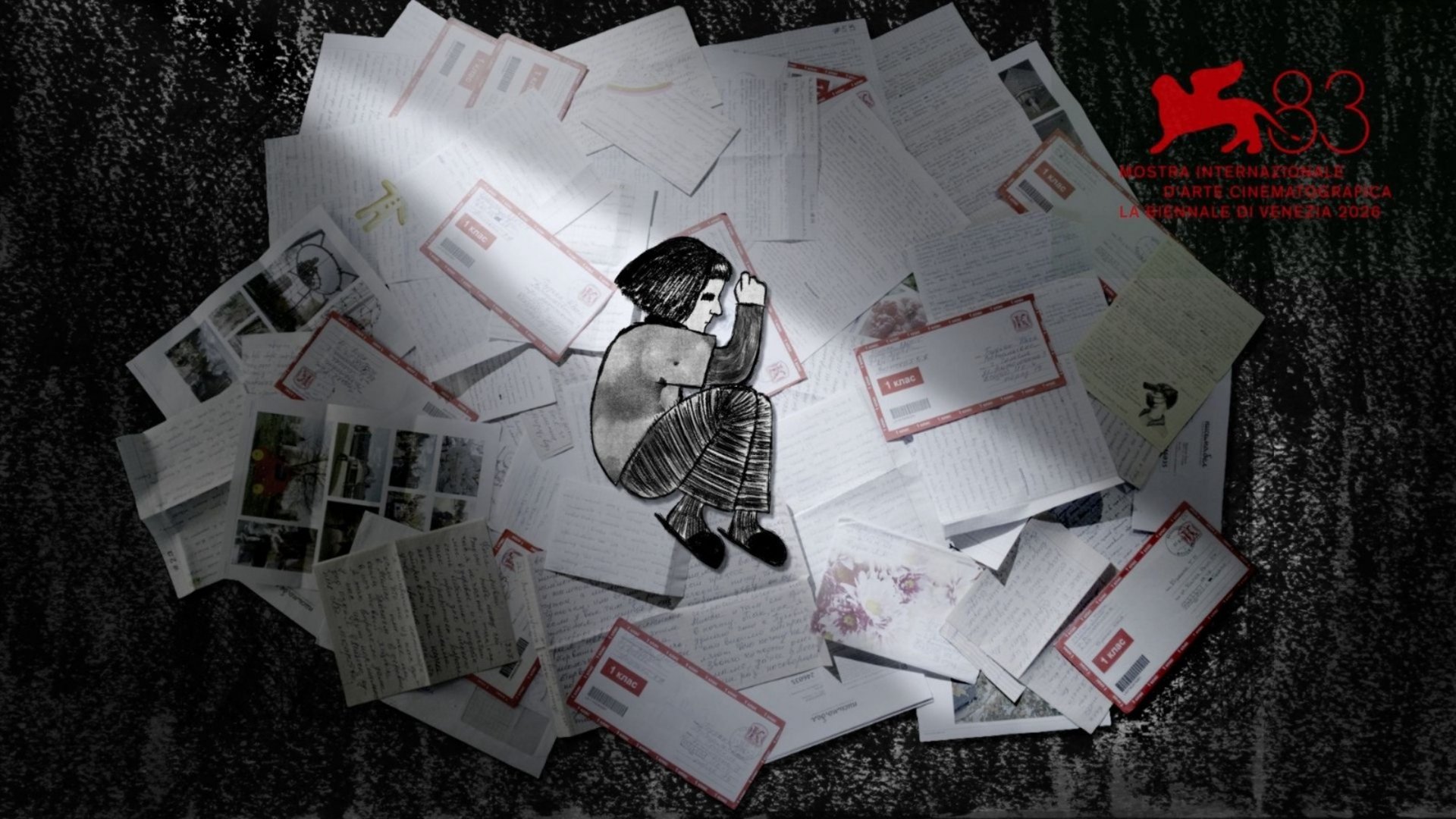
Presented with the Robert Havemann Society. In Belarus, the people in Andrei Kutsila's film cannot speak in public. A father goes into hiding so he will not be separated from his daughter. Kasia, a student, draws in prison what she is not allowed to say. Kutsila brings her letters to Berlin and receives the Berlin Freedom Award. On stage with him: Leopoldo López, founder of the World Liberty Congress and for years a political prisoner in Venezuela himself, and Aija Stacenko of Libereco. Rebecca Garcia of the Robert Havemann Society moderates.
The jury: “In Belarus, people are afraid to speak about politics and the streets have fallen silent. In Letters from the Silenced Country, Andrei Kutsila turns to letters as the place where the truth survives. A father hides to avoid arrest and separation from his daughter. A former criminal investigator who broke with the system flees to Poland. The student Kasia, imprisoned for joining the protests, draws what she cannot say. Vitold receives photographs from a friend that reach him behind prison walls. The jury honours a film that gives a voice to people a regime wants to silence, and that shows the pain, despair, love and hope of a society living under repression. It reminds us that the struggle for democracy in Belarus continues, quietly and in private, every single day.”
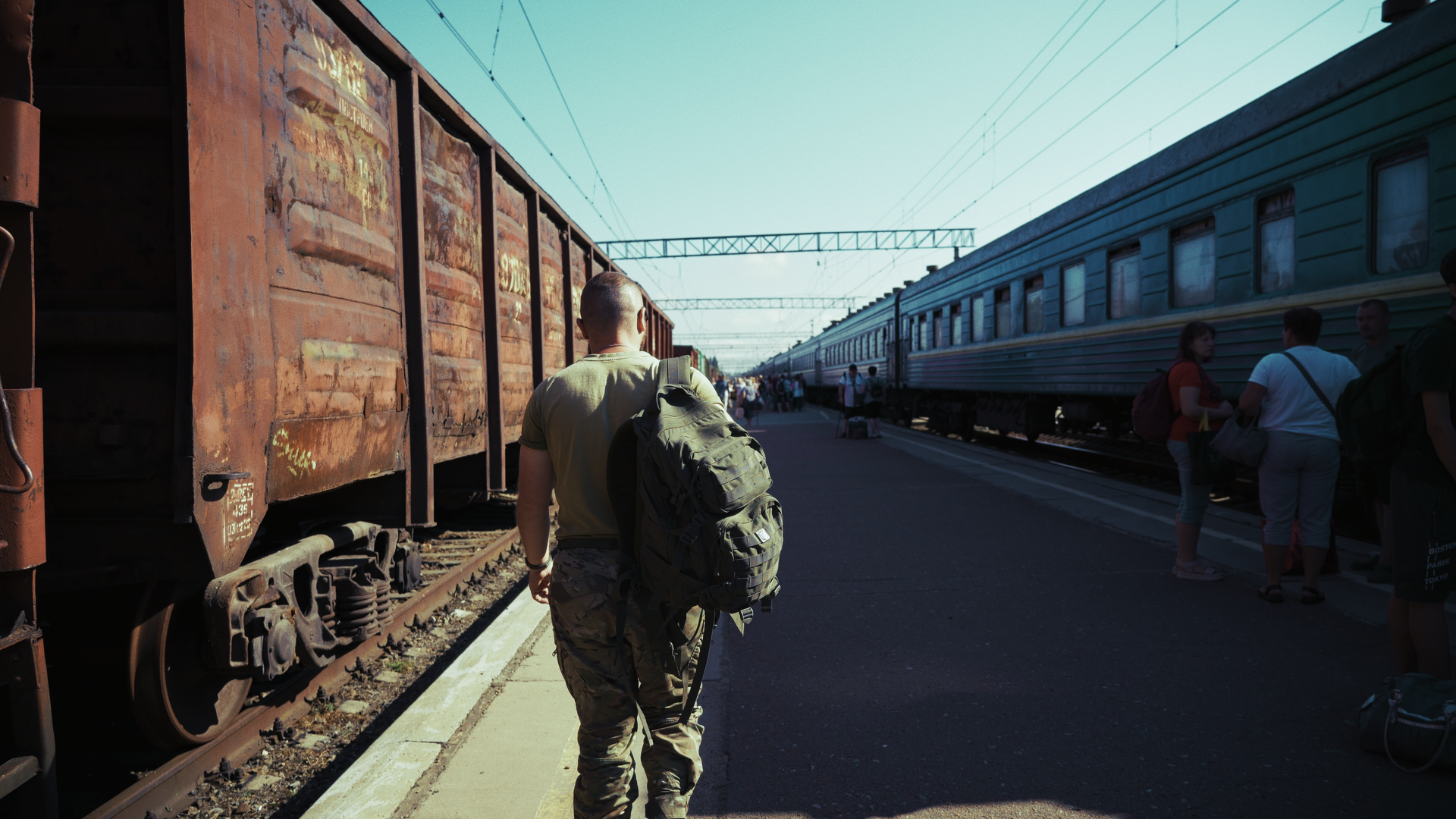
Presented with the European Center for Constitutional and Human Rights. Artem Lysak's film follows queer soldiers who defend Ukraine against Russia while fighting for equal rights at home. After the screening, Lysak talks with Andreas Schüller of the European Center for Constitutional and Human Rights, among others.
The jury: “When Russia launched its full-scale invasion of Ukraine in February 2022, ordinary citizens chose to stay and defend their country: a veterinarian, a beekeeper, a barrister, a game developer. Our Colors Never Fade follows LGBTQIA+ soldiers and civilians on the front line, who face the enemy and, at the same time, prejudice and discrimination at home. The jury honours a film that shows what it means to fight for the freedom of a country while still fighting for one's own right to exist and to be equal before the law. With great closeness and respect, it gives these people a face and a voice. Their courage challenges stereotypes and shows that the defence of democracy and the demand for equal rights belong together. Justice is not complete as long as those who risk their lives for their country are denied full recognition by it.”
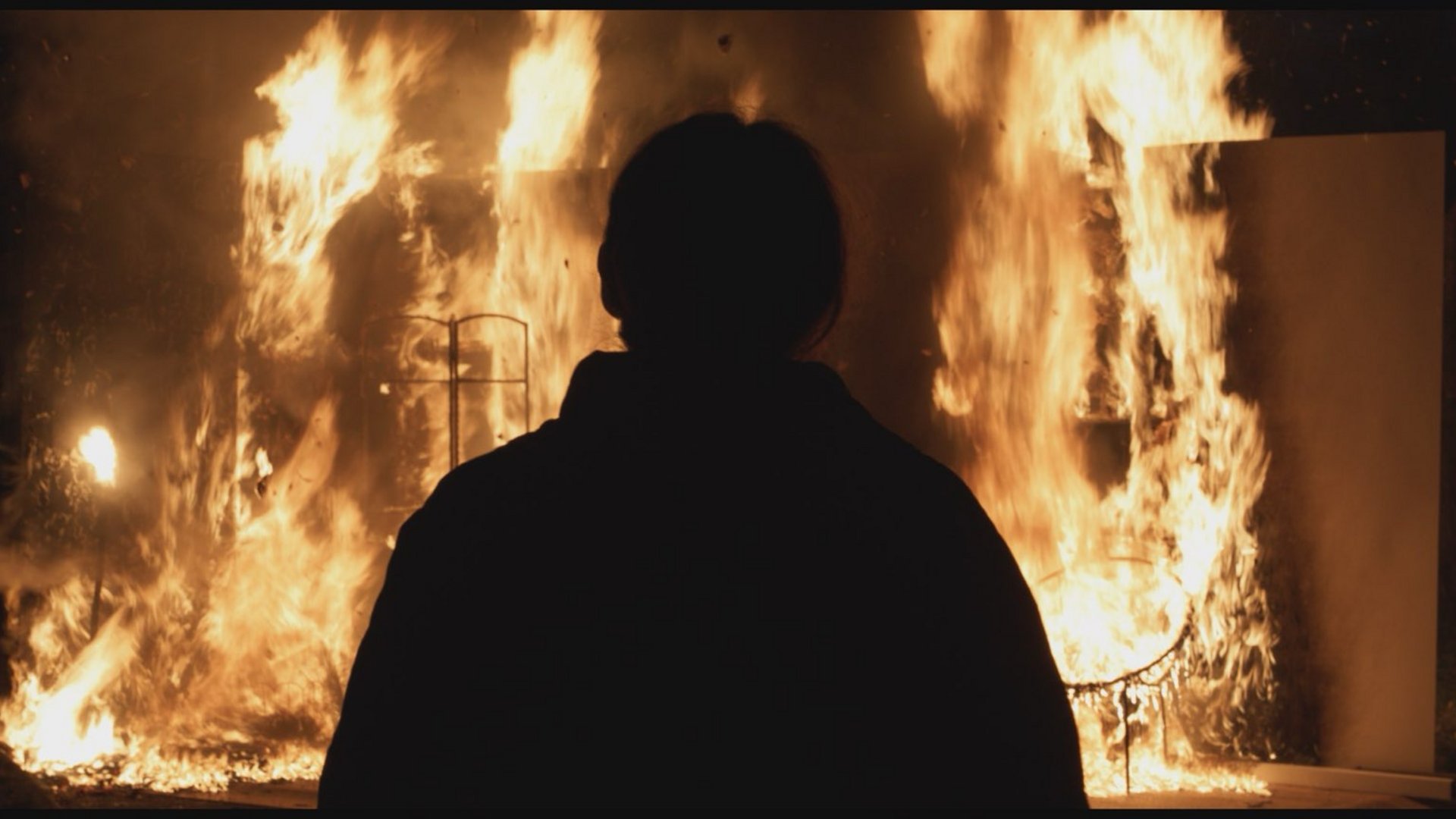
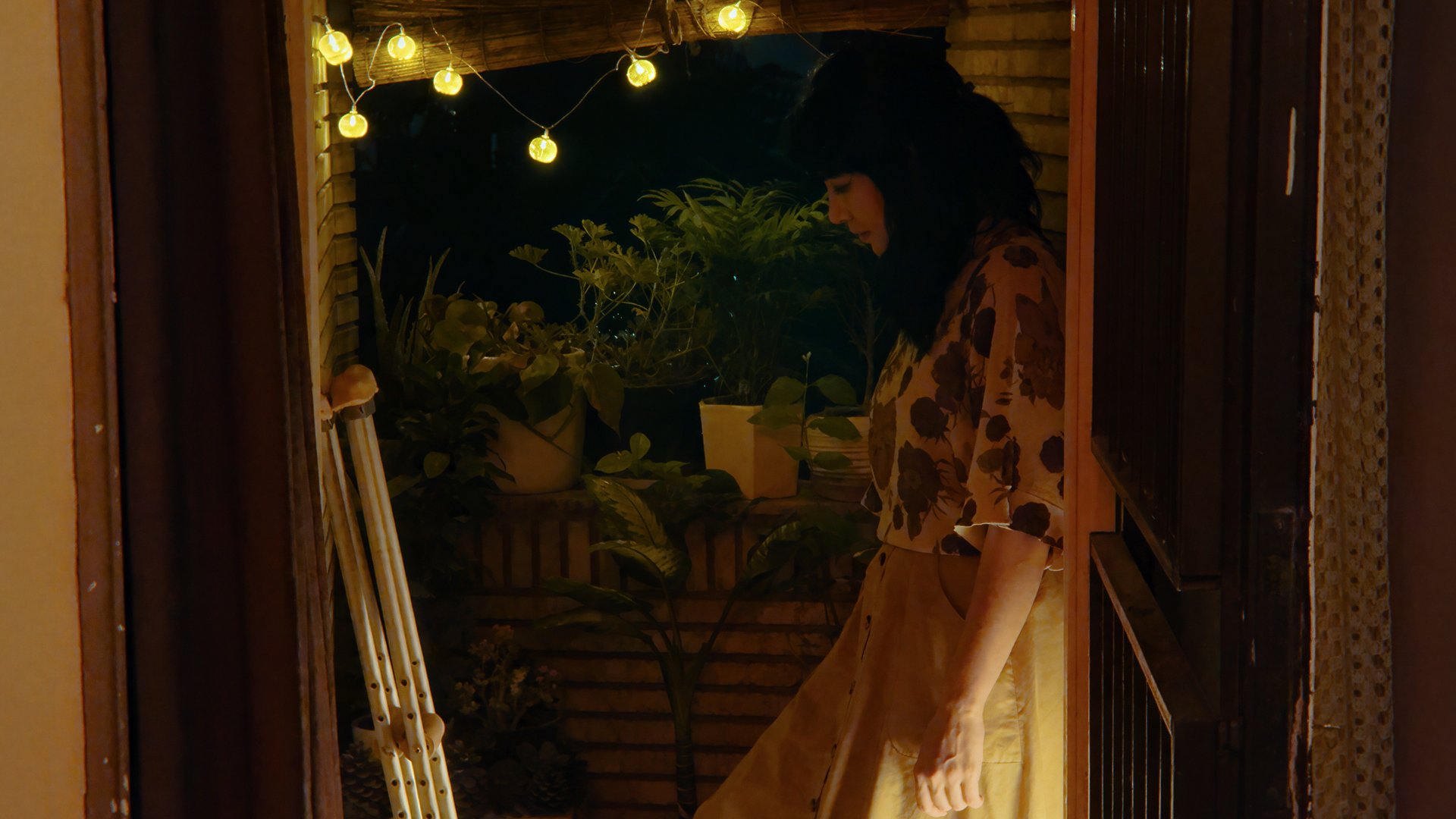
Presented with HÁWAR.help. A single night during the 2022 protests in Tehran: a young woman searches for her arrested sister. Sonia Sanjari and Shabnam Dadkhah accept the award. They are joined by Mariam Claren of HÁWAR.help, whose mother Nahid Taghavi was arrested in Tehran in 2020 and sentenced to more than ten years in prison. Claren fought for her release for over four years with the campaign Free Nahid; in January 2025 her mother came home. Stories of Freedom shows the film as a preview ahead of its premiere at Filmfest FrauenWelten.
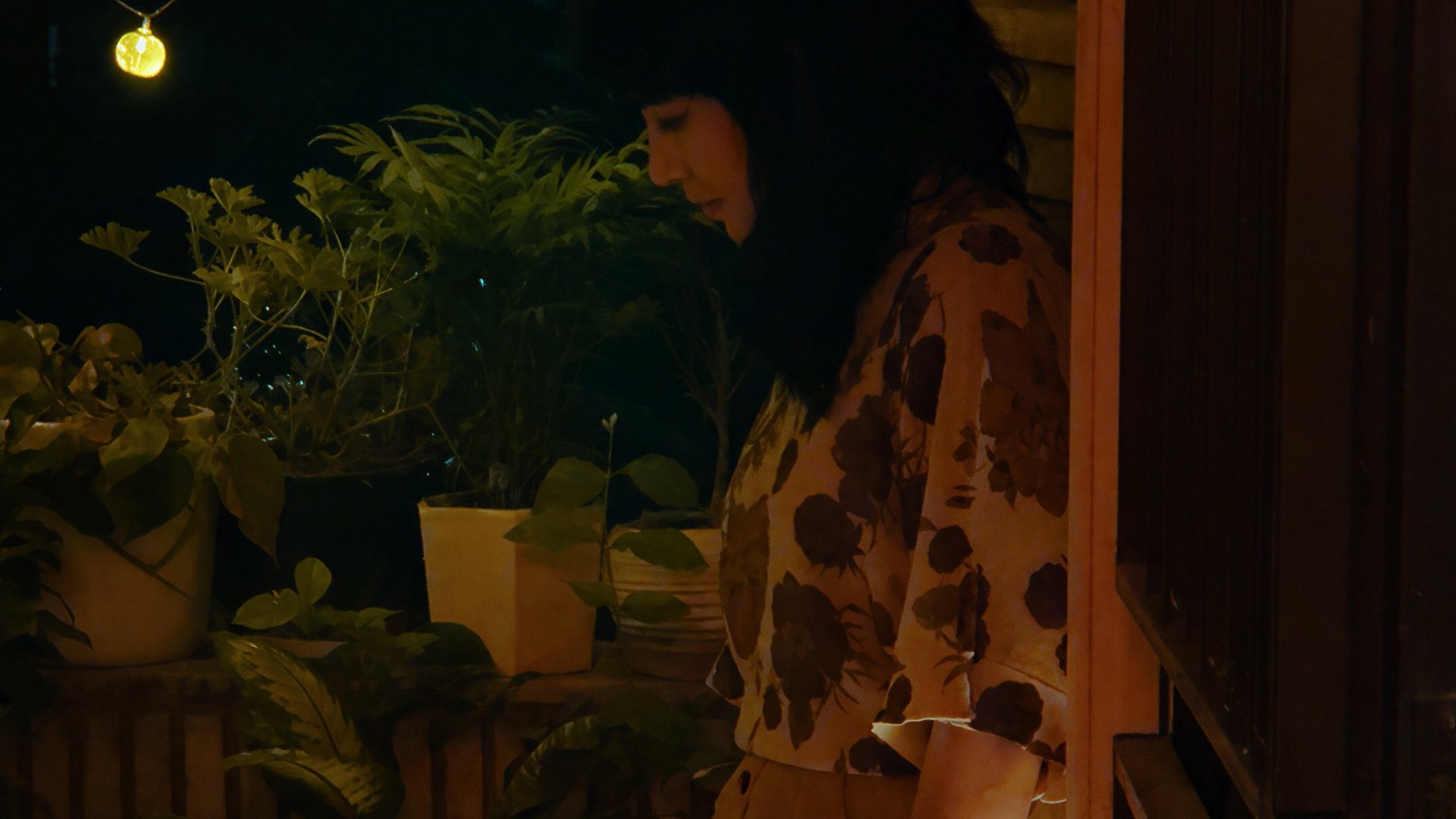
The jury: “During the 2022 protests in Tehran, the teenager Arezou disappears, and her sister Rana searches for her through one long night. The jury honours a precise and finely crafted film that captures the first hours after an arrest: the fear, the ambivalence, the question of how to work the system. Every family in Iran that has lived through the arrest of a loved one will recognise this night. Staying almost entirely inside one apartment, the film shows the family as a single organism and unfolds with the intensity of a stage play. It speaks to the courage of Generation Z and to an older generation that had given up and is drawn back into resistance by the younger one. Rooted in many real events, this fiction film gives a voice to what women and civil society in Iran endure, and reminds us to listen to the young people who carry the protest forward.”
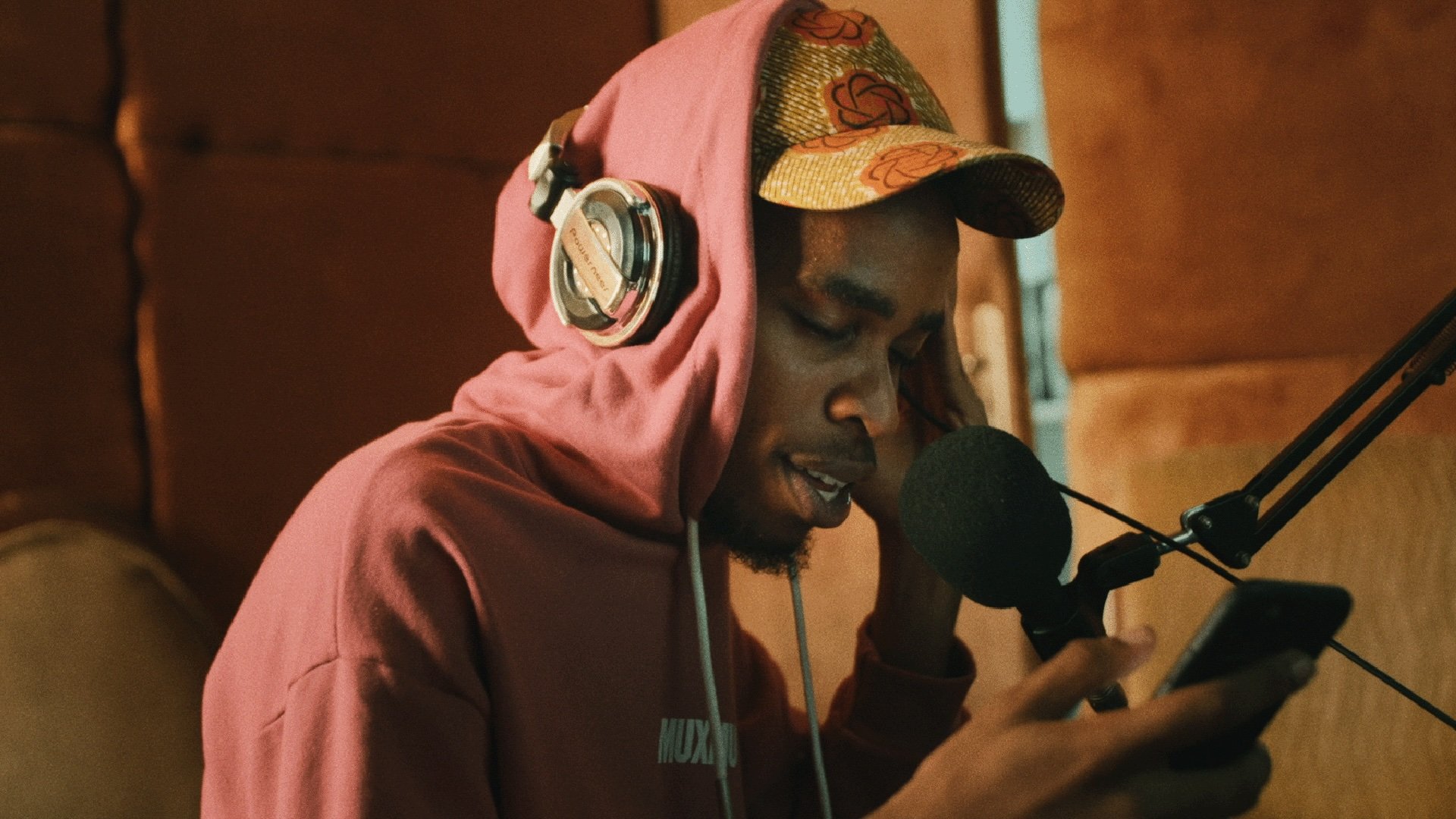
Presented with Global Artivism. Norwegian director Maria Galliani Dyrvik portrays the Nigerian poet Nnimmo Bassey and his decades-long fight against oil extraction in the Niger Delta. The date is no coincidence: the screening falls one day after the 31st anniversary of the execution of Ken Saro-Wiwa, who protested with the Ogoni against the destruction of their land and was hanged on 10 November 1995 together with eight fellow activists.
The jury: “Hope Is a Word portrays the Nigerian poet and environmental and human rights defender Nnimmo Bassey, who has opposed oil extraction in the Niger Delta for decades. The film links his life with the history of Ken Saro-Wiwa and the Ogoni people and with the present of the Delta. The jury honours a film about a crime that concerns not one country but all of us: the destruction of the environment and, with it, of the right to life. It follows Bassey from community organising to diagnosis to teaching, as he invites young people to write poetry about their own lives. Poetry and storytelling become a force that heals and changes. Of all the stories in this category, this is the one the jury found most urgent to make visible.”
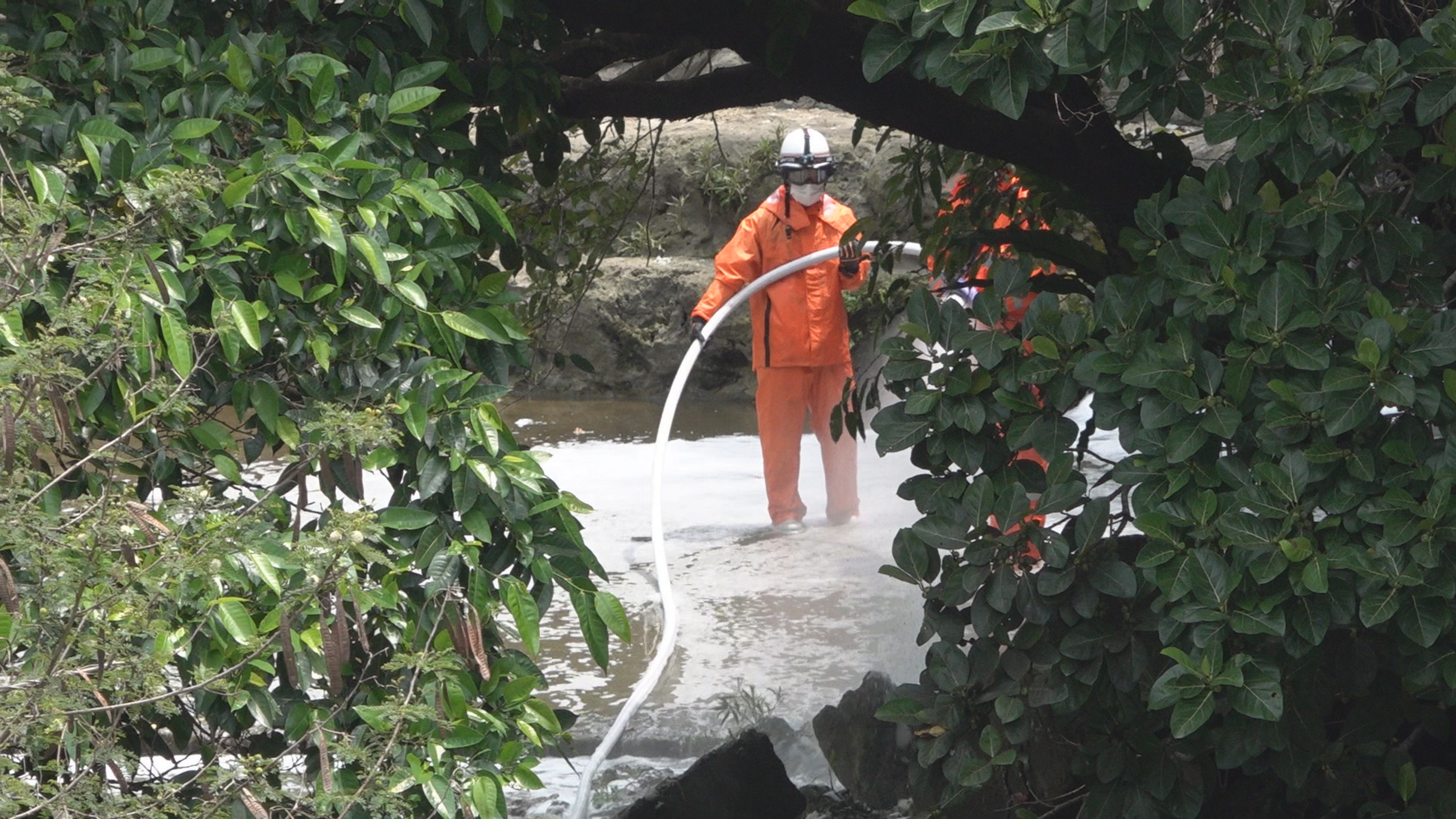
Presented with Transparency International. Izumi Taira follows a mother from Okinawa who takes the fight against PFAS in her drinking water all the way to the United Nations. The subject has reached Europe: since January 2026, every EU country must monitor PFAS in drinking water, and since October certain PFAS are banned in clothing, cosmetics and food packaging. Izumi Taira and Roberto Perez-Rocha of Transparency International join the conversation.
The jury: “In 2016, the people of Okinawa learned that their tap water was contaminated with PFAS chemicals from US military bases. UNAI follows Yumi Nakasone, a mother who had unknowingly given this water to her baby, on her way into politics and all the way to the United Nations. The jury honours a powerful story of hope, success and strength. It is one of the best ways to tell the story of a person who uses her own rights to defend something fundamental: the universal right of all people to clean water, a right far too little recognised worldwide. A community that had lost its sense of protection wins it back by speaking up. The film reminds us that people must claim their rights, and that everyone has the right to live free from fear. By bringing a story from Okinawa back onto everyone's radar, UNAI connects a local struggle with a global one.”
Presented with Reporter ohne Grenzen. The closing film of the evening: a Syrian scientist tracks down suspected war criminals online. Tamina Kutscher, spokesperson of the board of Reporter ohne Grenzen, hosts the conversation with Mahmoud Al Ashek, Syrian citizen journalist, OSINT researcher, human rights defender and former political prisoner, currently a Reporter ohne Grenzen fellow.
The jury: “Killing Anna follows a Syrian academic in Amsterdam who, haunted by footage of a massacre of civilians, creates a fake identity and befriends the suspected perpetrators online. The jury honours a gripping reconstruction of an investigation with enormous impact. It is an inspiring film about the importance of journalism in uncovering war crimes and in the pursuit of justice. It shows the personal commitment such work demands, a commitment that no artificial intelligence can ever replace. At a time of intense debate about the future of journalism, the film makes visible what is at stake: the time and resources this work needs, the toll it takes on those who do it, and the risks they carry. Killing Anna shows that journalism can make a difference. The jury expresses its deep respect and admiration for this work.”
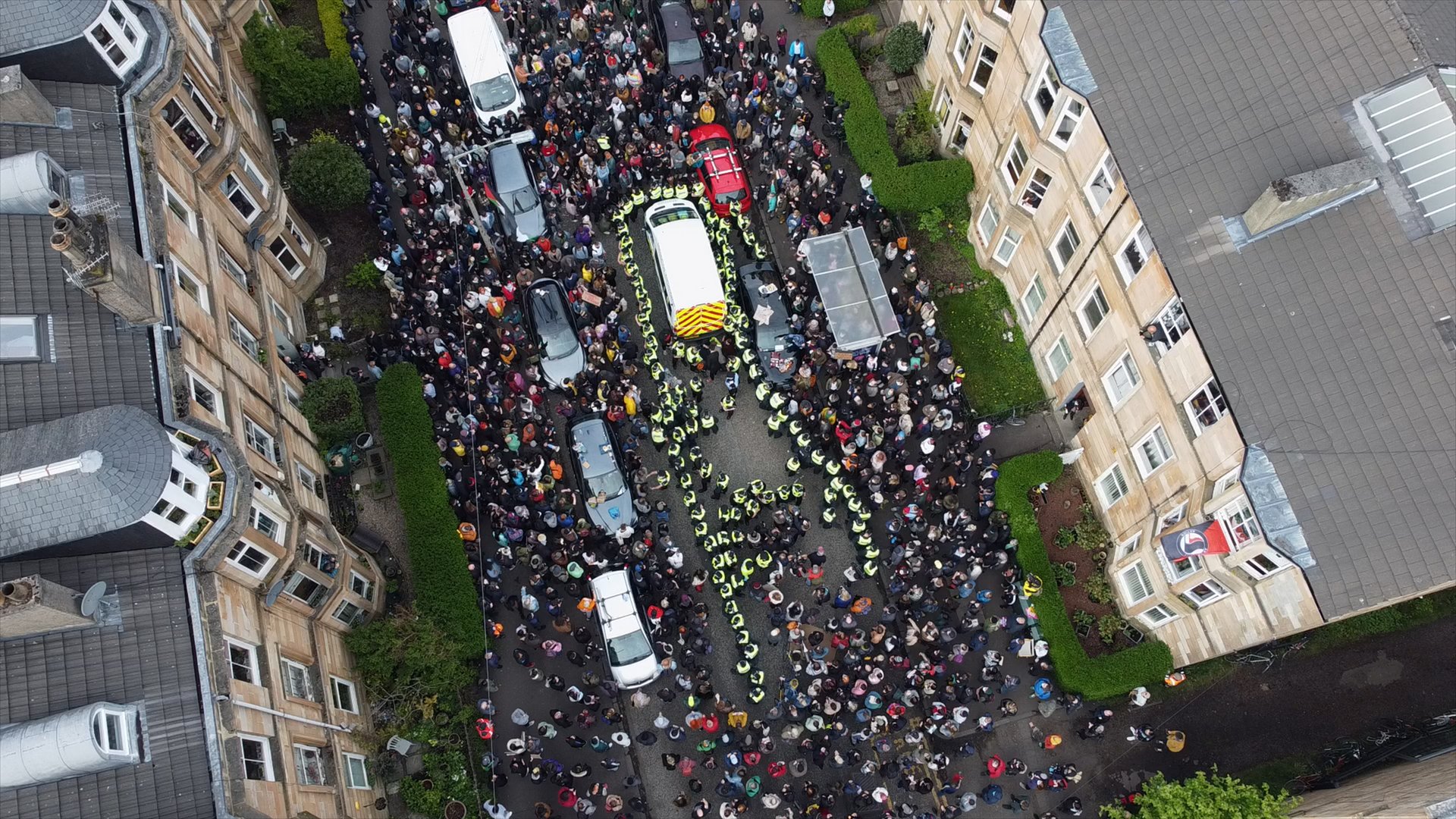
On 13 May 2021, hundreds of neighbours in Glasgow stood in front of an immigration enforcement van until the two detained men, Sumit Sehdev and Lakhvir Singh, were released. No violence, just people refusing to go home. Felipe Bustos Sierra's film, executive produced by Emma Thompson, premiered at Sundance and opened the Glasgow Film Festival. Stories of Freedom honours it as an example of civil courage that gives heart far beyond Glasgow: ordinary people showing what peaceful solidarity in a neighbourhood can achieve.
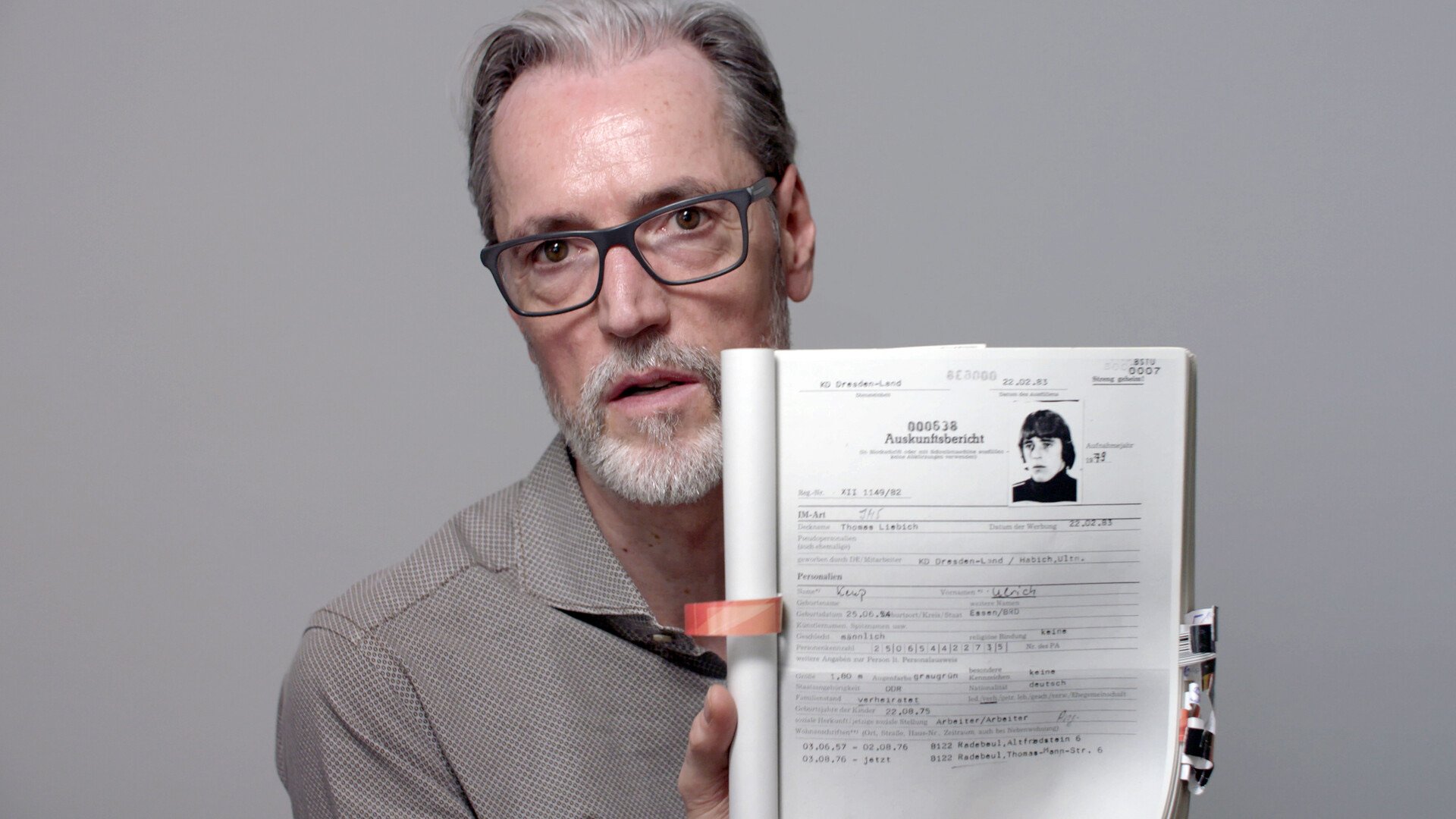
The afternoon opens with a special screening of The Spies Among Us by Jamie Coughlin Silverman and Gabriel Silverman. Dr. Peter Keup, once persecuted by the Stasi and today a historian, digs into his own family's secrets and eventually sits down with the men who ran the system. The film contains the first recorded conversations between Stasi officers and one of their victims. Dr. Peter Keup will be there afterwards.
Before any of this starts, more than 400 Berlin pupils take over the cinema. Because of demand, the animated film Fritzi, about the autumn of 1989 in Leipzig, runs in two halls at once, followed by a talk with Marianne Birthler, Frank Ebert and Stefan Müller, all three once part of the East German opposition. At 11 am, Land ohne Frauen follows, about Afghan women who defy the Taliban's bans, with Afghan education activist Robina Azizi.
From 2 pm to 7 pm the foyer is open to anyone passing by, no ticket needed: an interactive exhibition with short films and VR works, plus an exhibition by the World Liberty Congress on the stories of political prisoners. Running all day is Weil wir Frauen sind. (Because We Are Women) by medica mondiale, about the activists of Medica Afghanistan who fought for the rights of women and girls for twenty years and had to flee when the Taliban returned. Four of them will be at the Colosseum.